Pre-wiring for an EV charger new home build Australia is the most cost-effective way to future-proof your property and avoid expensive retrofitting expenses later. Installing dedicated electrical circuits during construction ensures compliance with upcoming building regulations and allows for seamless integration with solar or battery systems. This proactive approach adds immediate property value and prepares your household for the rapid transition to electric vehicle technology.
There is nothing more frustrating than moving into a pristine new home only to realize you have to core through fresh concrete or tear up plaster to install basic charging infrastructure. In Australia, failing to plan for an electric vehicle during the construction phase is a costly oversight that many homeowners regret within twelve months. As National Construction Code requirements evolve and EV adoption accelerates, future-proofing your garage has transitioned from a luxury upgrade to a fundamental necessity for long term property value. This guide provides the practical expertise you need to navigate the technicalities of single versus three phase power; it also clarifies the latest regulatory standards. You will learn how to integrate solar systems for maximum efficiency, understand the complexities of retrofitting older Melbourne properties, and discover the exact questions your builder needs to answer before the slab is poured.
Why Pre-Wiring for an EV Charger is a Non-Negotiable in 2026
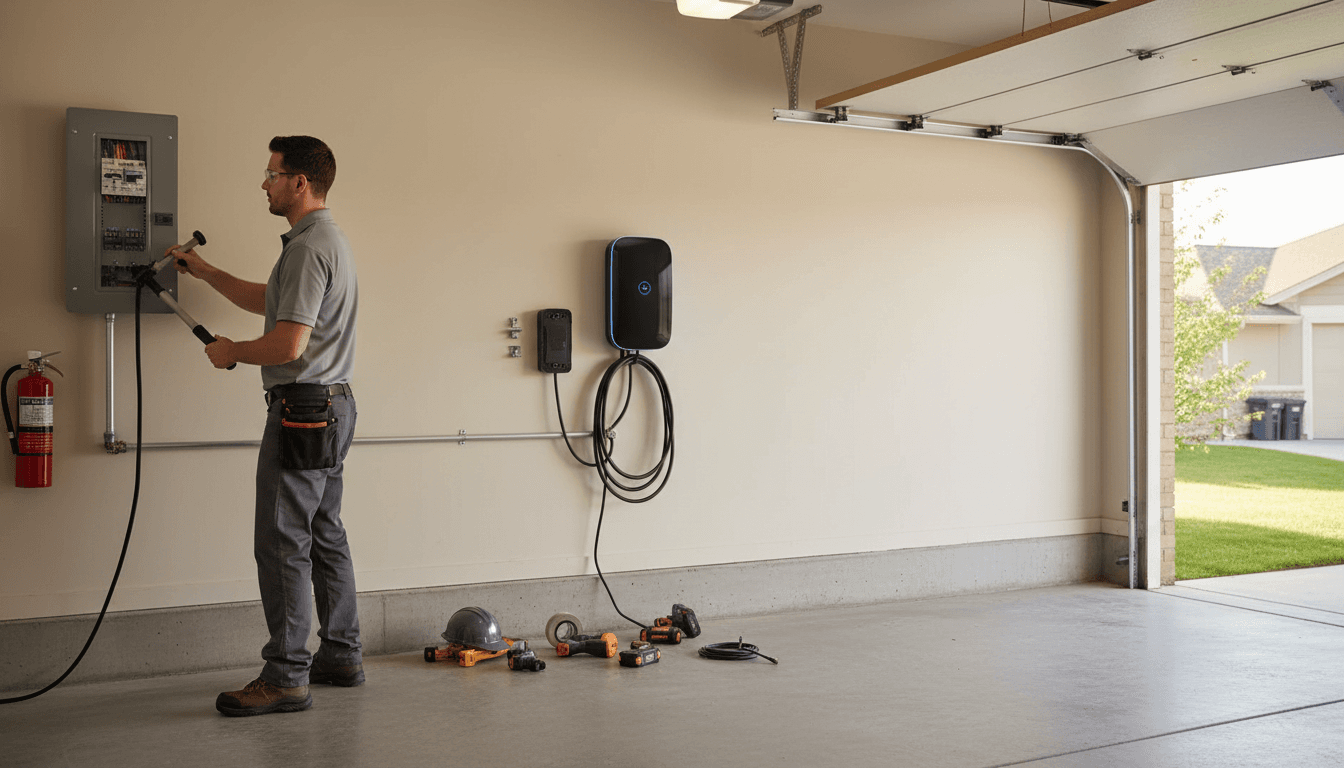
Planning for an EV charger new home build Australia is often treated as a secondary consideration; however, by 2026, it has become a fundamental financial necessity. The disparity between installing infrastructure during the construction phase and retrofitting an established property is staggering. Data from the Electric Vehicle Council indicates that pre-wiring a home while the wall cavities are open can cost as little as $200. At this stage, electricians have direct access to the distribution board and can run the necessary cabling without the labor-intensive barriers found in a finished structure.
In contrast, retrofitting a completed residence in Victoria often requires significant invasive work to navigate through ceiling spaces, under floorboards, or behind existing plaster. If a property requires extensive cable runs or a comprehensive switchboard upgrade to accommodate the new load, homeowners can expect to pay between $1,500 and $5,000 for a standard Melbourne EV Charger Installation.
Future-proofing through pre-wiring is a strategic investment in resale value, even if you do not currently own an electric vehicle. Modern buyers increasingly view EV readiness as a non-negotiable feature rather than a luxury upgrade. By ensuring a dedicated 32A circuit is already in place, you provide the infrastructure required for high-speed hardware like a 3 Phase Charger, effectively protecting your property's marketability for the decades ahead.
Understanding the National Construction Code: Are EV Chargers Mandatory?
The regulatory landscape for electric vehicle infrastructure in Australia is currently in a state of transition, leading to frequent confusion among homeowners and developers. Under the National Construction Code (NCC) 2022, "EV-ready" provisions became mandatory for Class 2 buildings, such as apartments, and most commercial properties. This requires these structures to have the electrical capacity, distribution board space, and cable pathways already in place. However, for Class 1 detached dwellings, which represent a significant portion of the EV charger new home build Australia market, building ministers recently opted to pause these mandates until at least mid-2029.
Despite this federal pause, Victorian homeowners should not mistake a lack of mandate for a lack of necessity. Energy Victoria and several local Melbourne councils are increasingly advocating for EV-ready status as a baseline for new developments. In practice, being "EV-ready" differs significantly from being "EV-installed," which requires a professional Melbourne EV Charger Installation to commission the hardware.
Status | Infrastructure Requirements | Functional Outcome |
|---|---|---|
EV-Ready | 25mm conduit, 32A dedicated circuit space, and distribution board capacity. | Prepared for future hardware installation with minimal labor or mess. |
EV-Installed | Full mounting of a smart charger, final sub-circuit wiring, and commissioning. | Immediate charging capability via app control, Wi-Fi, and solar integration. |
By incorporating the EV-ready framework during construction, you satisfy local planning recommendations and avoid the legislative catch-up that often follows updates to the NCC. While the code might not legally compel a Class 1 build to include a charger today, the shift toward sustainable transport makes these provisions a standard expectation for any modern Melbourne residence.
Single Phase vs Three Phase Power: Making the Right Choice for Your New Build
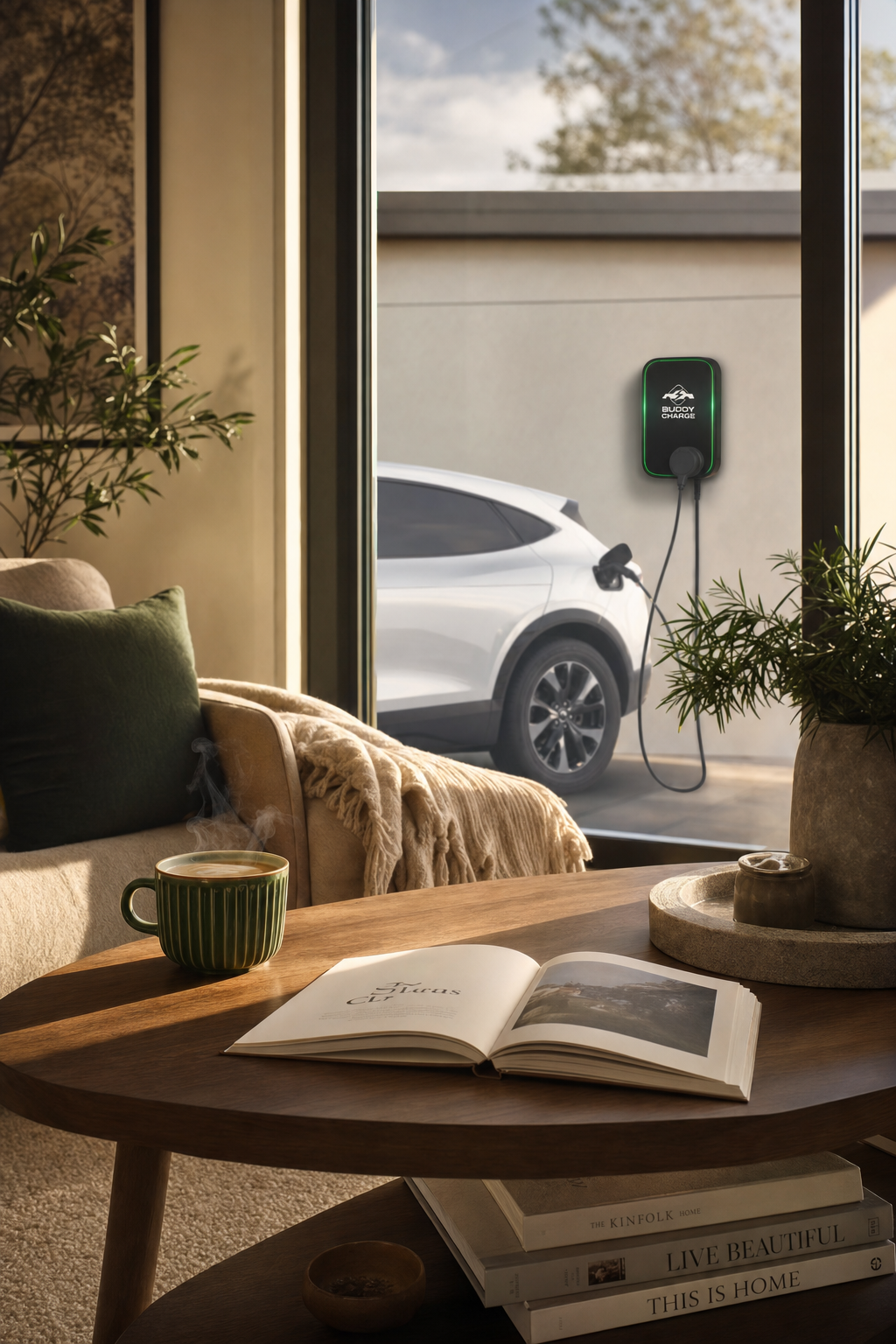
Moving beyond the conduit and basic circuit, the most significant decision for an EV charger new home build Australia involves the type of electrical supply commissioned from the street. While standard single-phase power is the baseline for most older Australian homes, modern construction offers the opportunity to install three-phase power, a decision that fundamentally alters the charging performance and electrical stability of the residence.
Feature | Single-Phase (7.4kW) | Three-Phase (22kW) |
|---|---|---|
Charging Speed | ~40-50km range per hour | ~120-140km range per hour |
Home Load Capacity | Moderate | High (supports multiple heavy appliances) |
Future-Proofing | Basic | Maximum (prepared for multi-EV households) |
For most vehicle owners, a single-phase charger providing 7.4kW is sufficient for typical overnight replenishment. However, opting for a three-phase connection provides a massive leap to 22kW capacity. This allows a 3 Phase Charger to deliver energy up to three times faster than standard units. This speed is invaluable for homeowners with large battery SUVs or those who require a quick turnaround between trips.
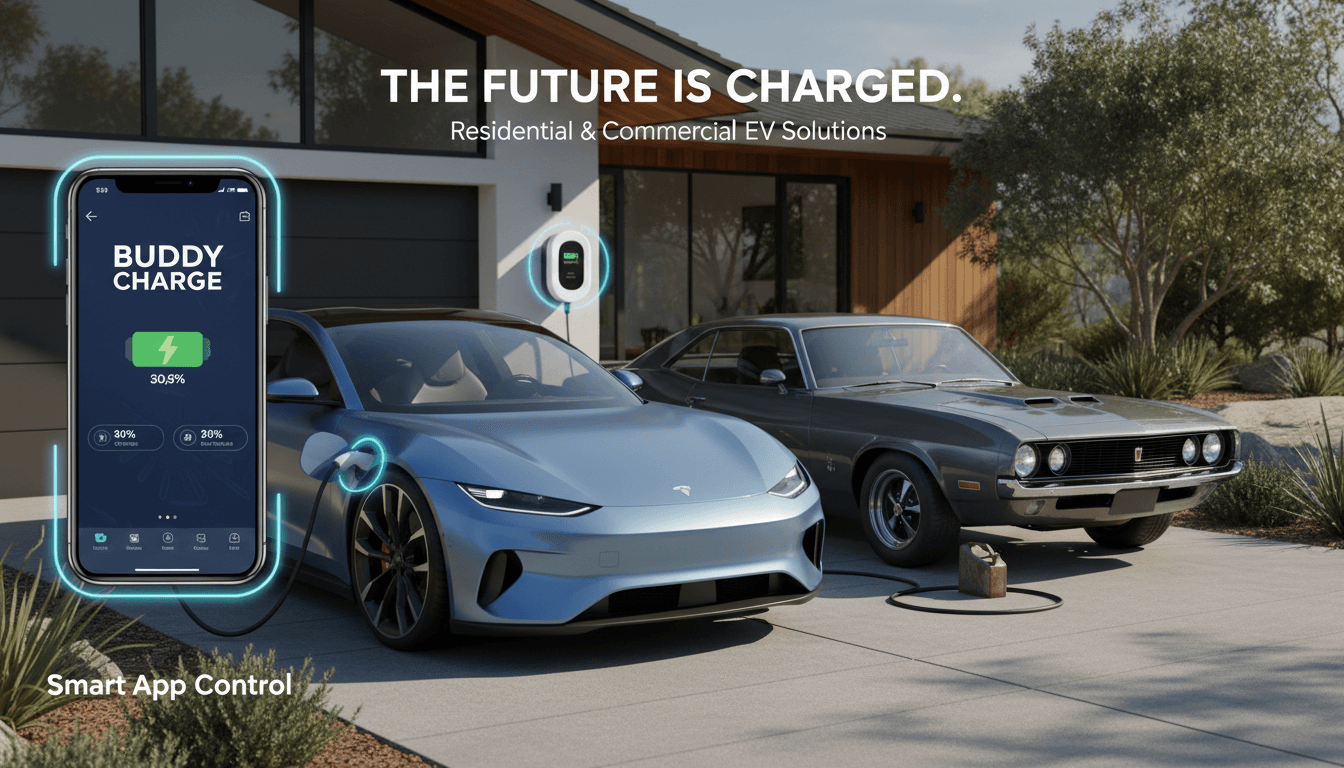
Beyond the vehicle, three-phase power provides a much higher electrical ceiling for the entire property. High-performance induction cooktops, multi-head air conditioning systems, and electric heat pump pool heaters can all run simultaneously with a Melbourne EV Charger Installation without risking a main switch trip. Buddy Charge specializes in these high-capacity 22kW systems, which feature smart app control and dynamic load balancing to manage these competing demands intelligently. Requesting a three-phase street connection during the initial build phase is the ultimate future-proofing move, as upgrading from single-phase later often involves expensive excavation and utility fees.
Technical Requirements for an EV-Ready Garage
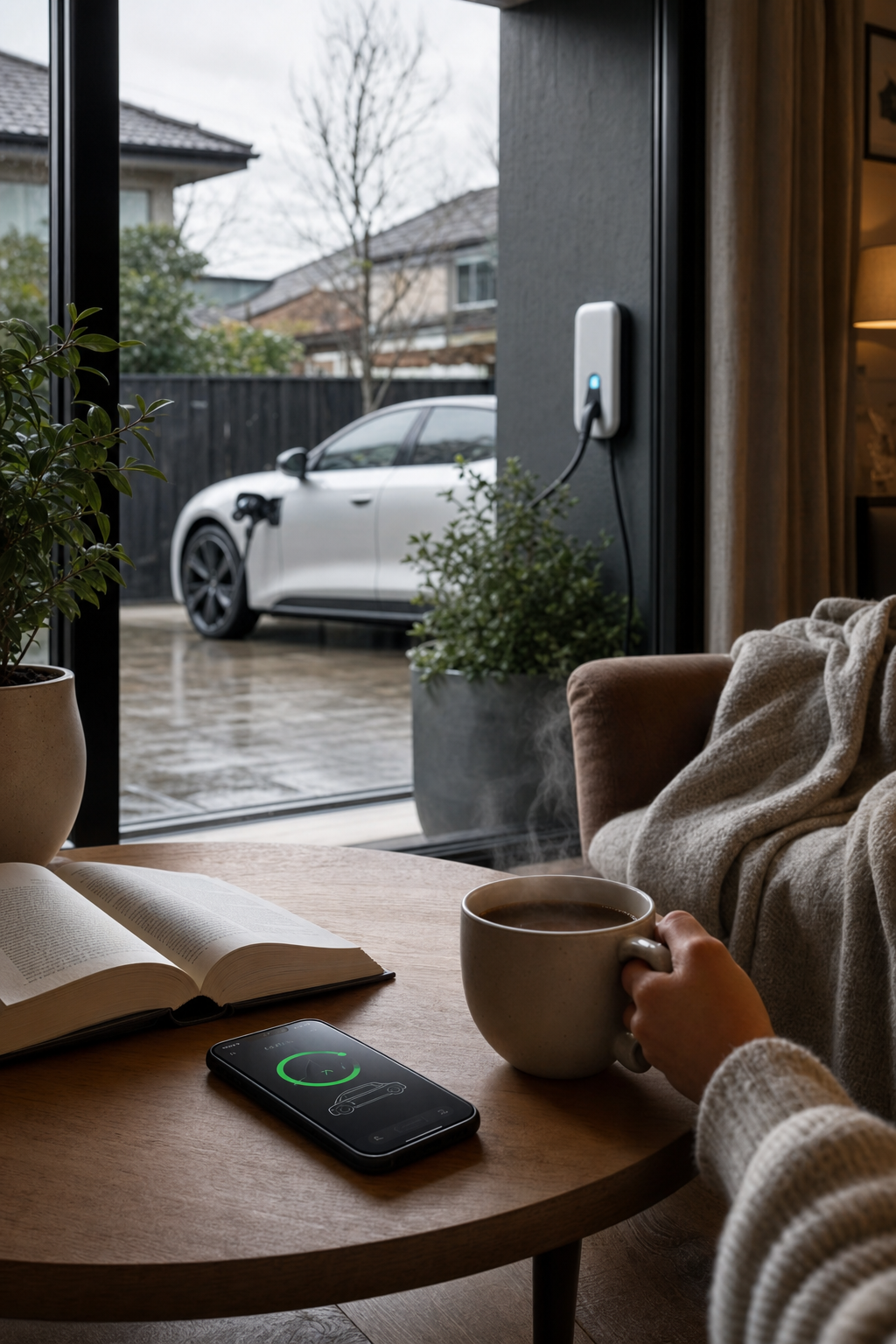
Selecting the right power supply is only the first step; the physical execution within the garage or carport determines the long term utility of the system. When executing an EV charger new home build Australia project, providing your electrician with a precise technical checklist ensures no costly rework is required after the plaster is up. A professional installation relies on high quality components that meet AS/NZS 3000 standards while allowing for future hardware upgrades.
Use this technical specification list for your builder or electrical contractor:
Component | Requirement | Purpose |
|---|---|---|
Circuit | Dedicated 32A final sub-circuit | Supports full 7.4kW (single-phase) or 22kW (three-phase) charging speeds. |
Cabling | 6mm² or 10mm² copper | 6mm is standard for short runs; 10mm is required for longer runs to mitigate voltage drop. |
Distribution Board | 2 to 4 spare poles | Reserved space for the dedicated RCD and circuit breaker. |
Conduit | 25mm heavy-duty PVC | Allows for easy cable pulling and future-proofing for thicker three-phase cables. |
Data Connectivity | Cat6 Ethernet cable | Enables smart app control, Wi-Fi stability, and dynamic load balancing via CT clamps. |
The inclusion of a Cat6 data cable is particularly critical. While many systems offer Wi-Fi, a hardwired data connection ensures your smart features and dynamic load balancing remain functional without interference from household internet traffic. This data link allows the charger to communicate with the main switchboard, preventing electrical overloads by adjusting charging speeds in real time.
If the charging point is located in a carport or an external driveway, specify hardware with an IP65 weather protection rating. This ensures the unit is completely dust-tight and protected against heavy rain, which is vital for the longevity of a Melbourne EV Charger Installation. Proper positioning also matters; install the wall box or mounting point at approximately 1.2 meters from the finished floor level to ensure ergonomic access to the charging cable.
Integrating Solar: The Ultimate Clean Energy Synergy
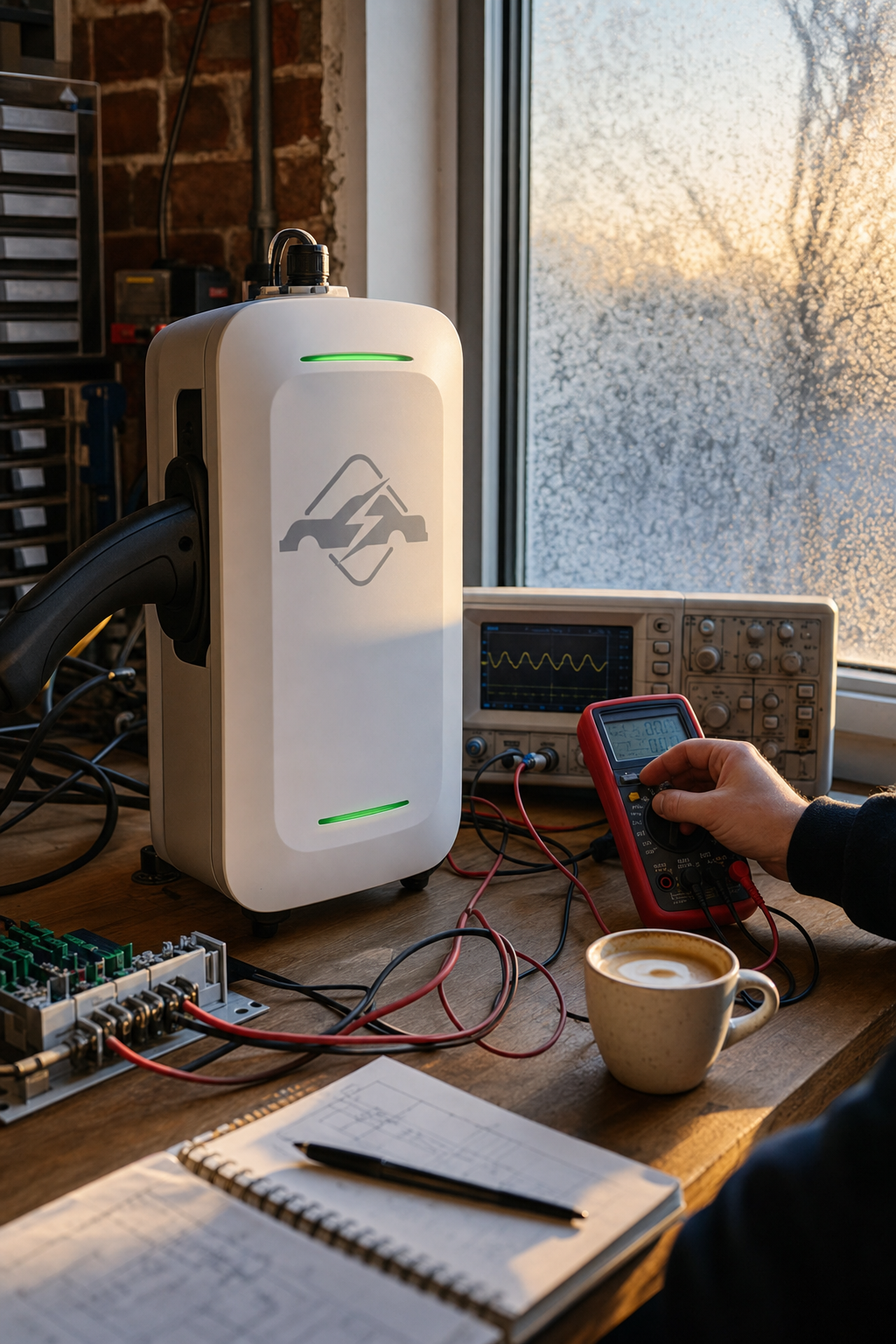
Aligning your solar inverter with your charging infrastructure during an EV charger new home build Australia project creates a seamless energy ecosystem. In Melbourne, current Victorian electricity tariffs reward self consumption over grid export. With feed-in tariffs sitting significantly lower than retail electricity rates, the return on investment for solar panels is maximized when you divert excess generation directly into your vehicle battery.
Buddy Charge systems utilize smart solar EV charging technology to communicate directly with your solar array. By installing a CT clamp or a smart meter at the main switchboard, the charger monitors exactly how much surplus energy your home is producing in real time. You can configure the system to charge exclusively from green energy, effectively using your car as a secondary storage solution for the home.
This strategy is particularly effective for Melbourne residents looking to avoid peak hour grid draws, which typically occur when demand and prices are at their highest. Coordinating the location of the inverter and the charger during the design phase also minimizes the complexity of data cabling. This ensures the communication link required for dynamic solar tracking is stable, reliable, and cost effective from the moment you move in.
Renovating an Older Melbourne Home: The Retrofit Challenge
While new builds offer a blank slate, retrofitting an established Melbourne property introduces unique structural and electrical hurdles. In heritage rich suburbs like Carlton, Hawthorn, or Albert Park, many homes still operate on original switchboards equipped with outdated ceramic fuses. A professional Melbourne EV Charger Installation in these environments is rarely a simple addition; it usually triggers a mandatory switchboard upgrade to meet current AS/NZS 3000 safety standards, including the installation of modern RCD protection.
The most significant financial barrier for older homes is often the limited electrical capacity of the existing mains cable connecting the property to the street. If the total household demand exceeds the available amperage, a full mains upgrade might traditionally be required, costing thousands in excavation and utility fees. Buddy Charge mitigates this through dynamic load balancing. By installing a smart sensor at the main incoming feed, our systems monitor the property's total consumption in real time.
Feature | Benefit for Older Homes |
|---|---|
Dynamic Load Balancing | Prevents main fuse trips by throttling charging speed during high house loads. |
Switchboard Remediation | Replaces dangerous ceramic fuses with modern, EV-compatible circuit breakers. |
Surface-Mounted Conduit | Allows for neat cable runs in double-brick or solid masonry homes where internal access is limited. |
This technology ensures that even with the air conditioning and oven running, your EV charger will adjust its output to stay within the safe limits of your existing infrastructure. This intelligent management makes an EV charger new home build Australia level of performance possible in a century old residence without the need for destructive utility works.
Questions to Ask Your Builder or Developer During the Design Phase
Transitioning from the technical planning of an EV charger new home build Australia project to the execution phase requires clear, assertive communication with your contractor. Use this checklist during design meetings to ensure your electrical infrastructure meets the high standards required for modern smart charging. Securing these details before the walls are lined prevents the need for invasive and expensive rework after you move in.
Is the main switchboard sized with enough physical space and amperage capacity for a dedicated 32A circuit?
Have you included a 25mm heavy-duty conduit running from the switchboard to my preferred Melbourne EV Charger Installation site?
Can we install a hardwired Cat6 data point alongside the power cable to support smart app features and dynamic load balancing?
Is the property connection being provisioned for three-phase power to support a high-speed 3 Phase Charger?
Can you provide a separate sub-metering option for the EV circuit to track energy usage and optimize solar EV charging ROI?
Will the cable termination point be positioned approximately 1.2 meters above the finished floor level for ergonomic access?
By obtaining firm commitments on these specifications, you ensure your builder adheres to the future-proofing requirements that protect your property's long term value and functionality.
Future-proofing your new home with EV-ready infrastructure is a wise investment that simplifies your transition to electric driving. By addressing wiring and capacity during the construction phase, you avoid the complexity of retrofitting down the line. If you want expert help tailoring a solution to your specific floor plan, our team is ready to assist. You can read more about how we support Australian homeowners to find the right balance of technology and efficiency for your next project.