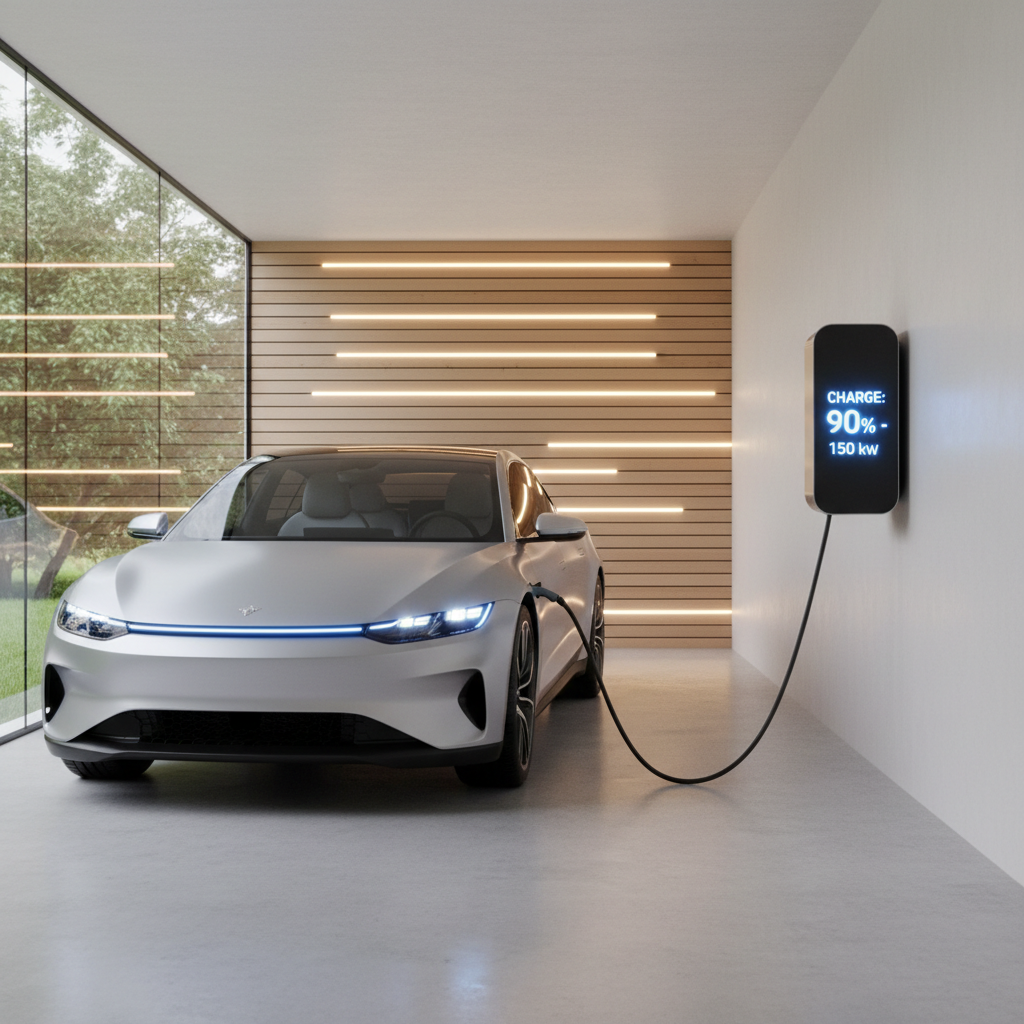
Portable EV chargers are safe for occasional use but pose potential fire risks when used daily on standard domestic power points not rated for continuous high-load charging. Maintaining portable EV charger safety Australia home requires regular outlet inspections and avoiding the use of extension leads or unapproved adapters; dedicated wallbox installations remain the safest long-term solution for residential charging.
For many new EV owners in Australia, the convenience of plugging into a standard domestic socket is hard to beat. However, relying on a portable granny charger for your daily commute often leads to unexpected anxiety regarding heat buildup and potential electrical hazards. Standard household circuits are rarely engineered to handle the sustained, high amperage loads required to fill a modern battery overnight. This tension between convenience and safety matters because a simple charging mistake can compromise your home wiring or even void your insurance. In this article, we examine the technical limitations of 10A sockets; we also explain the critical importance of IP65 weather ratings and why extension leads are a significant risk. You will discover how to identify the safety gaps in portable units and learn when it is time to transition to a dedicated smart wallbox for a more secure home charging experience.
What is a Granny Charger and Why Do We Use Them
A "granny charger" is the industry nickname for the Mode 2 portable cable provided by manufacturers in the boot of most new electric vehicles. It allows a car to draw power from a standard 10A domestic socket, making it a convenient tool for emergencies or when visiting family. However, its intended purpose is often misunderstood. These cables provide "trickle" charging, adding only about 10 to 12 kilometers of range per hour.
Industry commentary, such as that found in SolarQuotes research, acknowledges the "tightarse" appeal of these units. Because they are included with the vehicle, they seem like a cost-effective way to avoid a professional EV charger installation. This is frequently a false economy. There is a critical distinction between emergency and permanent use.
Emergency use is a supervised, short-term measure to gain enough range to reach a faster station. Permanent use involves subjecting a household circuit to a continuous 10A draw for up to 15 hours every night. Standard Australian power points are designed for intermittent appliances like kettles; they are not rated for the sustained thermal stress required for daily EV replenishment. Maintaining portable EV charger safety Australia home requires understanding that while a portable cable is a handy backup, it lacks the robust architecture needed for a primary charging strategy.
The Sustained Load Problem: Why Standard 10A Sockets Struggle
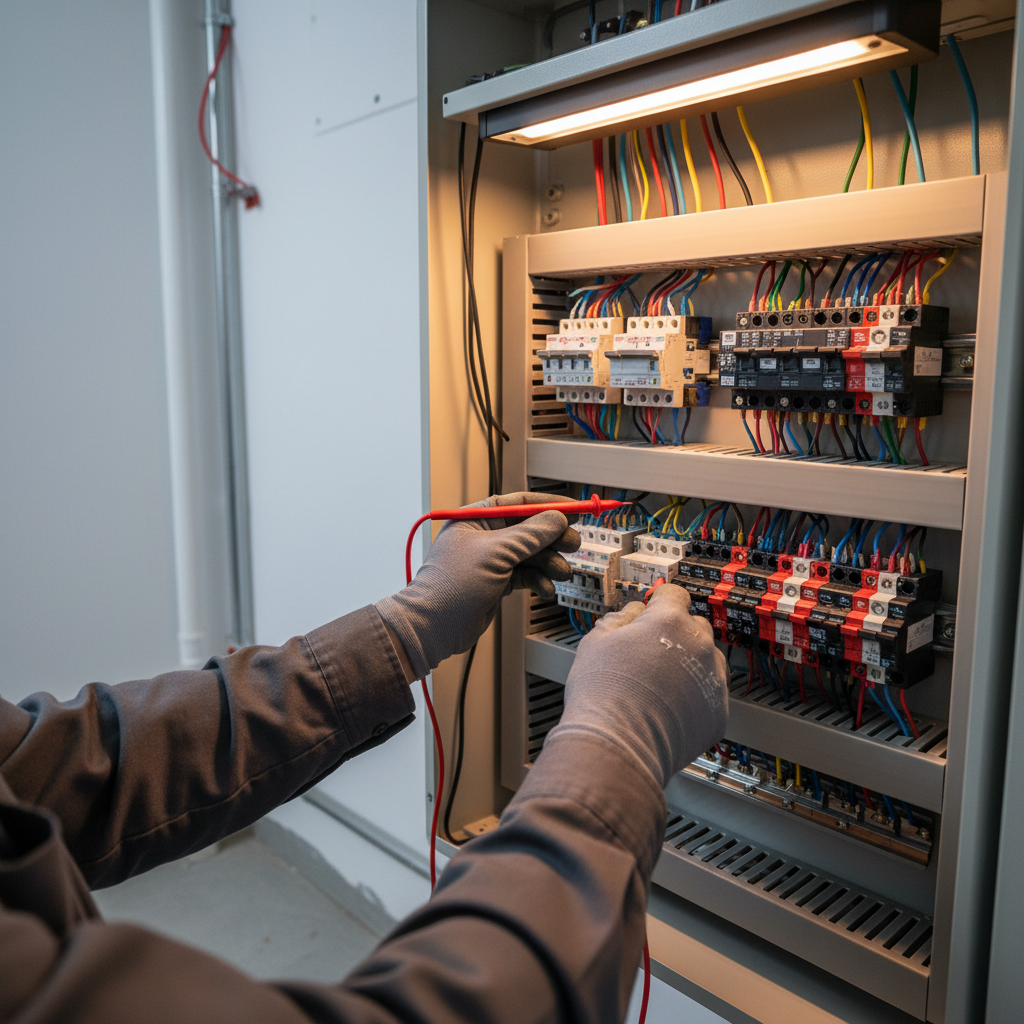
To understand why a 10A socket is ill-suited for daily EV charging, we must look at how electricity behaves over time. Every electrical circuit has internal resistance. When a current flows through this resistance, it generates heat as a byproduct. Standard household appliances in Australia, such as kettles, toasters, or hair dryers, draw high current but only for short bursts. The copper wiring and the socket terminals have ample time to cool down between these cycles.
Charging an EV is fundamentally different; it represents a continuous load. Drawing 10A of current for 12 to 15 hours without interruption creates significant and mounting thermal stress. In many Melbourne homes, particularly older properties in established suburbs, the internal components of power points may already be worn, dusty, or oxidized. When the metal contacts inside a socket lose their tension, the physical connection to the plug becomes loose. This increases resistance specifically at the point of contact, causing temperatures to spike far beyond the melting point of the surrounding plastic.
This phenomenon often leads to socket meltdown. The plastic housing of the outlet begins to warp or char; in extreme cases, the heat is intense enough that the charger’s metal pins fuse permanently into the outlet. Fire safety reports indicate that sustained high-load draw on unsuitable circuits is the leading cause of EV-related domestic electrical fires. While a single phase EV charger is mounted on a dedicated circuit designed to manage this heat, a standard power point relies on general-purpose wiring often shared with other household devices.
The risk to portable EV charger safety Australia home environments is highest when the socket is located in a garage or outdoor area where airflow is limited. Without the heavy-duty components and specialized wiring found in a professional EV charger installation, the physical degradation of the socket is a persistent hazard. Relying on a 10A socket for daily use essentially treats a component designed for a sprint as if it were a marathon runner, often with destructive results for the property’s electrical system.
The Danger of Extension Leads and Travel Adapters
The logistical challenge of a short cable often leads owners to reach for a standard domestic extension lead or a travel adapter to bridge the gap between a garage socket and the driveway. This creates an immediate and severe compromise to portable EV charger safety Australia home standards. Every additional connection point in an electrical circuit introduces a new site of resistance. When drawing a continuous 10A load, these points generate heat. Domestic extension cords are rarely rated for high-current, long-duration use, and the cumulative resistance can cause the cord's insulation to fail or the plug housing to ignite long before a circuit breaker ever trips.
Real-world data underscores these dangers. A report by EVFireSafe documented a catastrophic house fire caused by the failure of a travel adapter used during EV charging. The adapter was unable to withstand the sustained thermal stress, leading to a fire that destroyed the property. Most manufacturers specifically prohibit the use of adapters or extension leads in their manuals; doing so typically voids the warranty of the portable charging unit and may complicate insurance claims in the event of a fire.
If the cable provided with the vehicle is too short to reach the charging port comfortably, the solution is never an extension lead. This limitation is a clear indicator that the home’s existing infrastructure is insufficient for the task. The only safe remedy is a professional EV charger installation. Upgrading to a dedicated single phase EV charger provides a purpose-built, tethered cable of appropriate length, ensuring a direct, secure connection from the switchboard to the vehicle without dangerous intermediaries.
Weather Protection and the IP65 Standard in Australia
Exposure to the elements is a critical factor for portable EV charger safety Australia home environments, especially when charging occurs in unsheltered driveways or carports. Most portable chargers carry an IP54 rating. This indicates protection against limited dust ingress and light water splashes, but it is often insufficient for Melbourne’s volatile weather patterns. A professional EV charger installation utilizes hardware rated at IP65, providing a significantly higher level of protection.
The IP65 standard means the unit is completely dust-tight and can withstand low-pressure water jets from any angle. This distinction is vital when a sudden Victorian downpour hits or when a high-pressure hose is used nearby to wash the vehicle. While an IP54 portable unit might survive a sprinkle, it is not designed to be left out in a storm.
Furthermore, generic portable units often lack the UV-stabilized plastics required for the Australian sun. Constant exposure to high UV levels causes the casing of these units to become brittle and crack. These hairline fractures allow moisture to seep into the internal electronics, transforming the device into a potential shock hazard. Buddy Charge systems, including our single phase EV charger models, are specifically built with high-grade, weather-resistant materials designed for permanent outdoor mounting. They maintain their structural and electrical integrity despite years of exposure to rain, wind, and extreme heat.
Dynamic Load Balancing: The Safety Feature Portable Chargers Lack
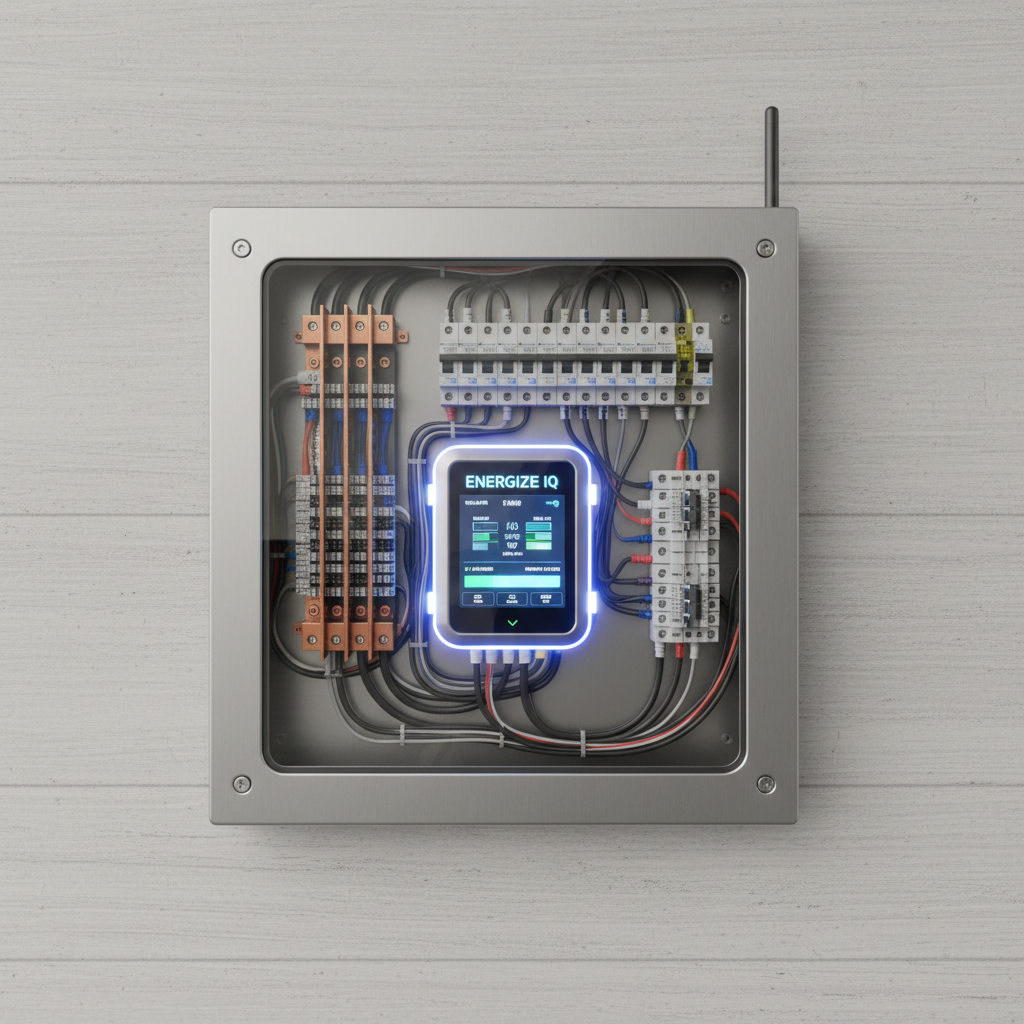
The most significant technical deficiency of a portable cable is its inability to communicate with the rest of your home’s electrical system. A portable unit is a fixed load device; it draws a constant current regardless of what other appliances are running. This creates a hidden risk for portable EV charger safety Australia home users, particularly during peak times like a hot Melbourne afternoon when air conditioning units, ovens, and pool pumps are all operational simultaneously.
Dynamic Load Balancing (DLB) solves this by acting as an intelligent manager for your property’s power supply. When we perform an EV charger installation, we integrate a sensor at the main switchboard that monitors the total electricity being consumed by the property in real time. If the total demand approaches the safety limit of your main service fuse, the single phase EV charger automatically throttles its output to prevent an overload. Once the high power appliances are turned off, the system restores the charger to full speed without any manual intervention.
Homeowners frequently ask, "Do I need load balancing?" The answer is almost always yes for those living in established suburbs with traditional grid connections. Many older Melbourne homes have a main supply limited to 40A or 60A. A portable charger drawing a continuous 10A might seem insignificant, but when added to existing household loads, it can push the system beyond its physical capacity. Unlike a smart wallbox that adjusts dynamically, a portable charger will continue to pull its full rated current until a circuit breaker trips or the main service fuse begins to overheat. By opting for a system with DLB, you ensure that your vehicle charges at the maximum safe speed possible without ever risking a total blackout or placing undue stress on your property’s core electrical infrastructure.
Smart Charging vs Trickle Charging: Speed and Efficiency Gaps
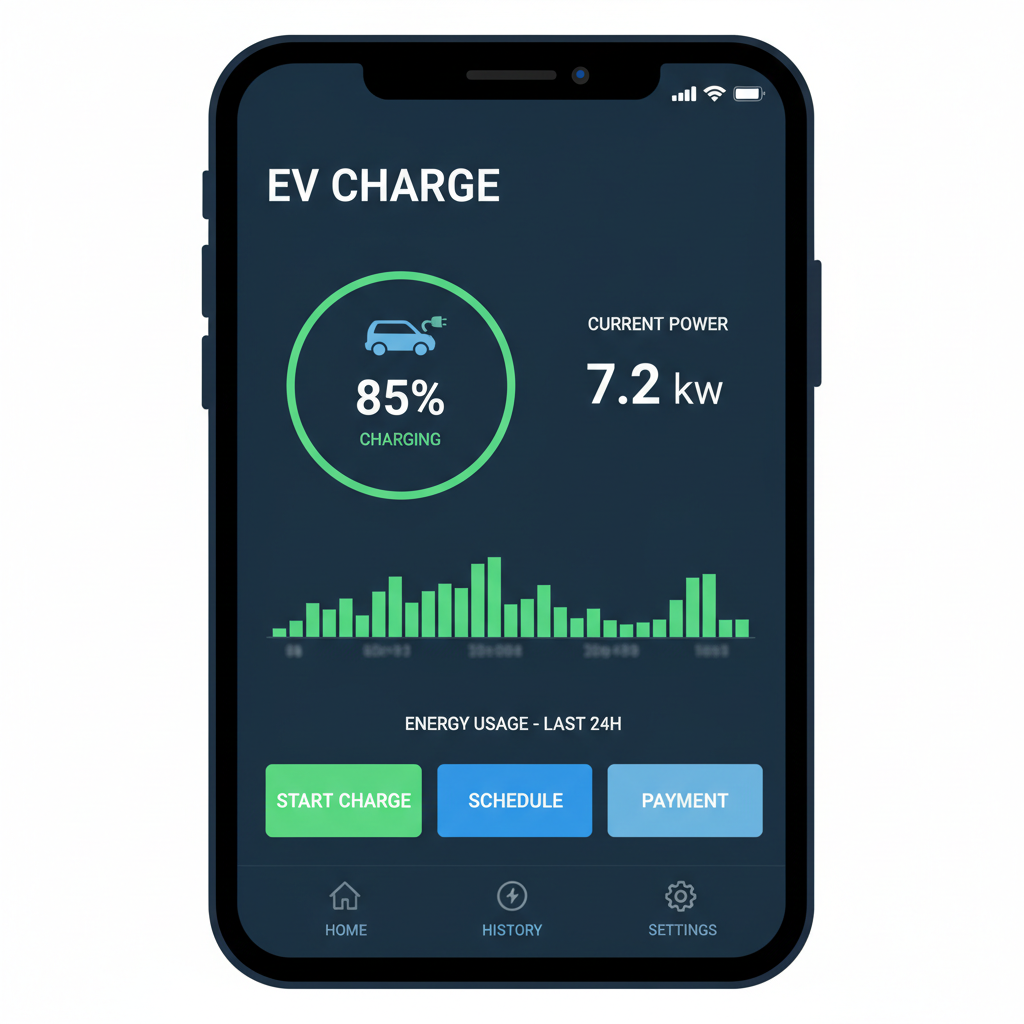
Moving beyond the physical risks of overheating and circuit overloads, the functional gap between basic cables and smart wallboxes is most evident in day to day utility. A standard 10A portable unit is effectively a bottleneck for your vehicle’s battery, delivering power at a rate that barely keeps pace with modern driving needs. When evaluating portable EV charger safety Australia home users should also consider the efficiency losses inherent in trickle charging.
Charger Type | Power Output | Approx. Range per Hour | Time to Charge (60kWh Battery) |
|---|---|---|---|
10A Portable Cable | 2.3kW | 10 to 12 km | 26+ Hours |
7.4kW | 40 to 45 km | 8 Hours |
Efficiency is not just about speed; it is about intelligence. A major drawback of the 'granny charger' is its inability to facilitate effective solar EV charging in Melbourne. These portable units are 'dumb' devices that draw a fixed amount of current. If your solar array is producing fluctuating power due to cloud cover, the portable charger cannot adjust. It will continue to draw its full 2.3kW, often pulling expensive power from the grid even when solar energy is available.
By contrast, a professional EV charger installation includes units that communicate with your solar inverter. They can be set to 'Eco' modes that only use surplus solar generation, ensuring your car truly runs on sunshine. Furthermore, smart app controls allow you to schedule charging for off peak windows, such as midnight to 6:00 AM, when electricity rates are at their lowest. This automation eliminates the need to manually manage the plug, ensuring the vehicle is replenished safely and at the lowest possible cost.
Surge Protection and Emergency Safety Features
"Do all EV chargers need SPD?" is a common question for Australian homeowners looking to protect their investment. While not every household appliance requires a dedicated Surge Protection Device, the Australian Standards (AS/NZS 3000) strongly recommend them for high-value, high-load circuits. A professional EV charger installation integrates an SPD at the switchboard to shield your vehicle’s sensitive onboard electronics from transient voltage spikes caused by grid switching or lightning. This layer of protection is missing when relying solely on a standard 10A wall socket.
Beyond the switchboard, the hardware itself must act as a fail-safe. Buddy Charge systems, including our single phase EV charger models, incorporate sophisticated internal over-temperature monitoring. If the unit detects an internal temperature spike or a loose connection causing heat, it immediately throttles the current or shuts down to prevent a fire. This is supplemented by a dedicated Residual Current Device (RCD) designed to handle DC leakage, a critical safety feature that most budget portable units lack.
Physical safety is also a priority through the inclusion of a prominent, mechanical emergency stop button for immediate manual disconnection. In contrast, cheap or unbranded units often bought online prioritize low manufacturing costs over component quality. These uncertified chargers frequently lack thermal sensors and rely on minimal internal fusing, leaving the property vulnerable to undetected faults. Maintaining portable EV charger safety Australia home environments requires moving away from these basic cables toward hardware designed for rigorous, long-term electrical safety.
Conclusion: When to Make the Switch to a Smart Wallbox
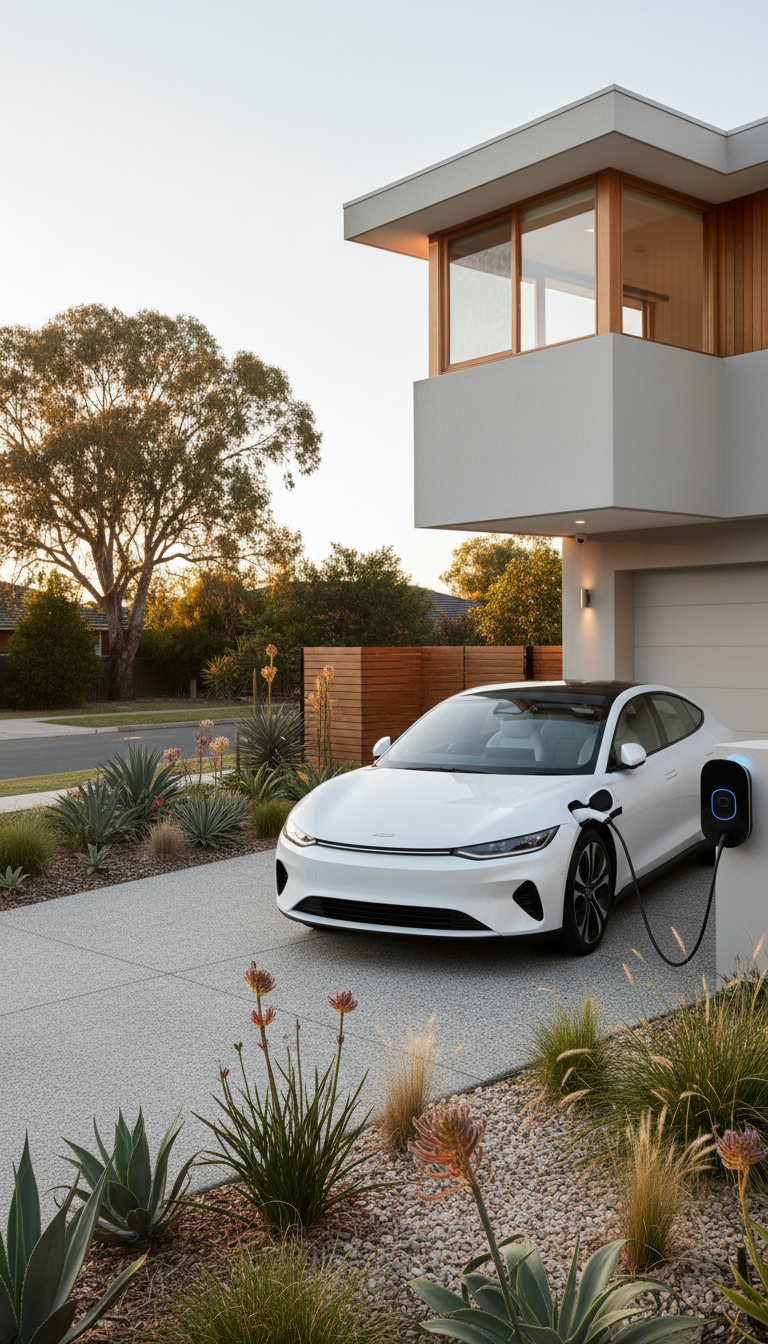
The safety gap between a portable cable and a smart wallbox is a matter of engineering intent. Portable chargers are designed for intermittent, emergency use; smart wallboxes are built specifically for industrial-grade continuous loads. While a 10A socket might suffice for a few months, the cumulative thermal stress on a home's internal wiring eventually creates a dangerous point of failure. Maintaining portable EV charger safety Australia home environments requires recognizing when a temporary fix has reached its limit.
Transitioning to a professional EV charger installation becomes non-negotiable if your situation meets any of the following criteria:
You charge your vehicle more than twice per week.
Your charging location is outdoors and exposed to Melbourne's volatile weather.
Your home is more than 15 years old with original electrical infrastructure.
You want to maximize solar EV charging in Melbourne without drawing from the grid.
Upgrading to a single phase EV charger is more than a convenience. It is a strategic investment in both your property's value and your family's safety. By removing the inherent risks of sustained high-current draw on general-purpose outlets, you ensure your home is future-proofed with a system that is faster, smarter, and fundamentally secure.
Portable charging offers unmatched flexibility for Australian EV owners, but it requires a careful approach to ensure your home's electrical system remains safe. Prioritizing correct usage and high-quality equipment will protect your investment and your family. If you want expert help choosing the right infrastructure or understanding local standards, we are here to support your journey. You can discover more about our mission and how we help drivers on our About page.