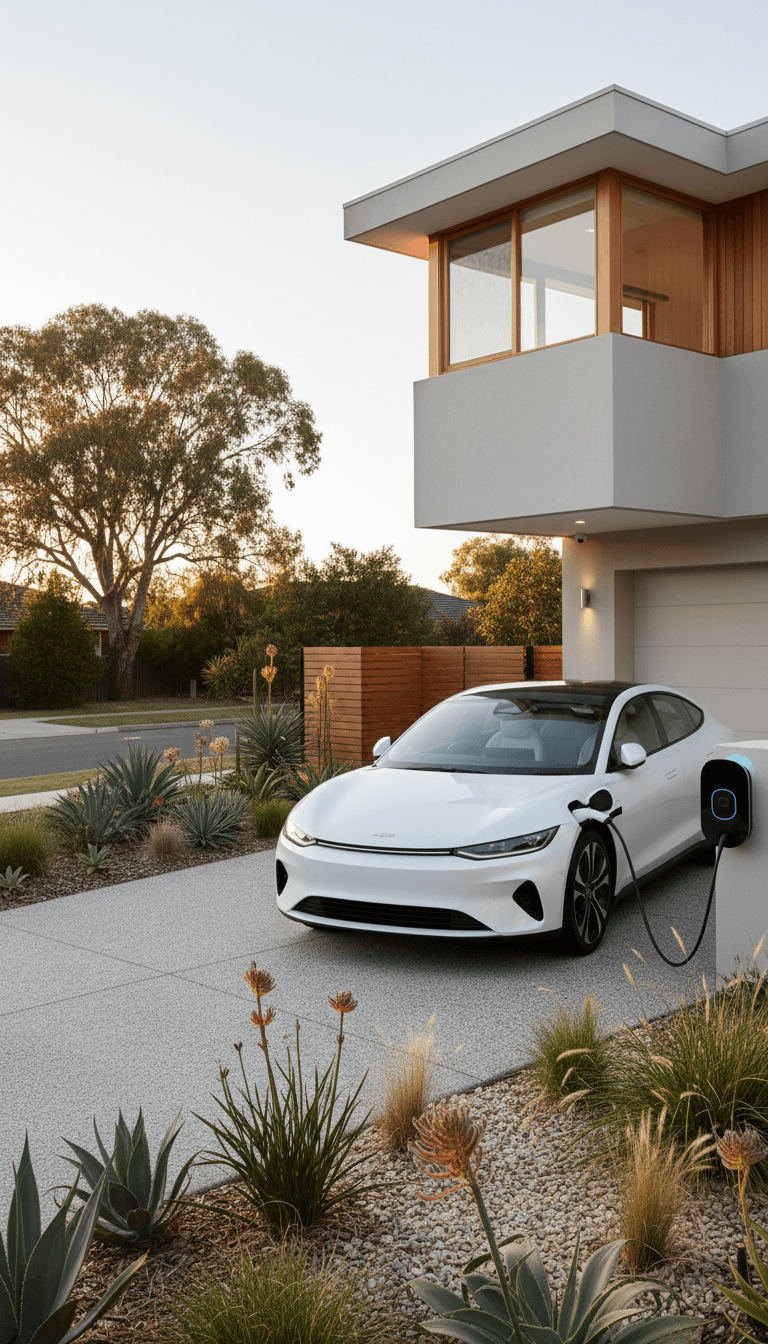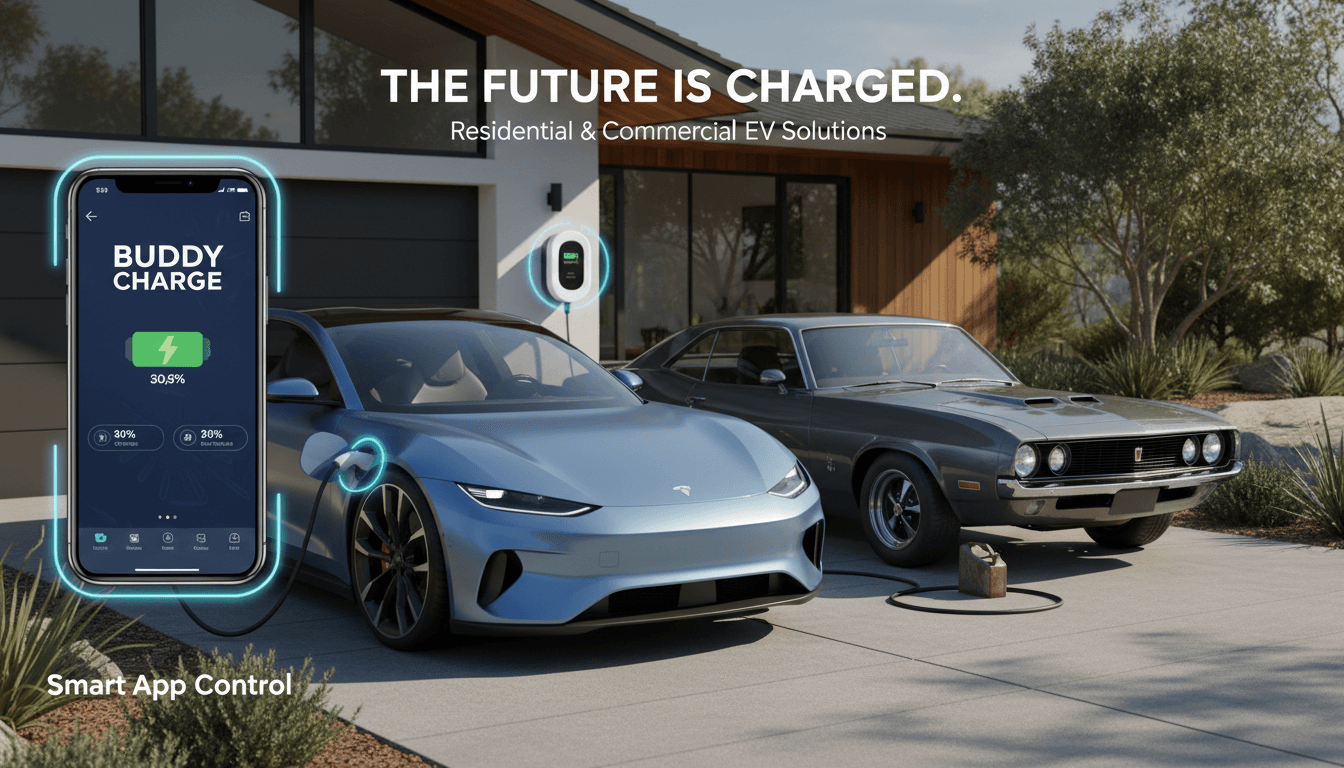

Workplace EV charging Australia provides businesses with a competitive edge by leveraging government grants that cover up to 50 percent of setup costs while supporting employee sustainability goals. By 2026, installing these stations will be essential for attracting talent and managing corporate fleets efficiently through daytime energy use. Selecting the right hardware ensures that companies maximize their infrastructure investment and meet rising demand for electric vehicle accessibility.
As the 2026 deadline for corporate fleet transitions approaches, many Australian business owners find themselves caught between rising fuel costs and the technical complexity of upgrading their facilities. It is no longer a matter of simply mounting a charger to a wall; businesses must now navigate grid constraints, evolving compliance standards, and the pressure to offer sustainable benefits to a changing workforce. This shift requires a strategic approach to infrastructure that balances immediate costs against long term operational efficiency. In this guide, we provide a practical roadmap for navigating the current landscape. You will learn how to leverage state based rebates and DRIVEN grants; why OCPP compliance and dynamic load balancing are non negotiable for property protection; and how to implement sophisticated cost recovery models. From hardware selection to weatherproof installation, we cover the essential standards for building a future proof charging network.
The 2026 Shift: Why Australian Workplaces are Prioritizing EV Infrastructure
The 2026 shift is already here in the planning phases of Australia’s leading businesses. Electric vehicles have transitioned from a niche luxury to a corporate standard. As we approach 2026, the projected surge in EV ownership means that providing reliable charging is no longer just an environmental gesture; it is a top tier employee benefit essential for talent retention.
Early adopters often relied on a 'free for all' model, using basic portable units or unmanaged wall boxes. However, the volume of vehicles expected by 2026 makes this approach unsustainable. Without smart, managed systems, businesses face the risk of electrical overloads and unmonitored energy costs. The new standard requires Workplace EV charging solutions that offer granular control and data visibility.
Buddy Charge focuses on future proofing properties today to meet these upcoming demands. By prioritizing intelligent infrastructure now, Australian businesses can avoid the logistical headaches and inflated costs of reactive retrofitting. Our systems are designed to integrate seamlessly into commercial environments, offering the Wi-Fi connectivity, RFID access, and solar integration necessary to manage a high density charging environment efficiently and safely. This proactive approach ensures that your property remains a competitive and functional workplace as the national fleet continues its rapid transition to electric power.
Grants and Incentives: Navigating the DRIVEN and State Based Rebates
The financial barrier to entry for commercial charging is lowering significantly through federal and state support. A primary driver for workplace EV charging Australia in 2026 is the DRIVEN Charger Rebate Stream. Round 3 of this initiative is anticipated to open in July 2026, providing a critical window for businesses to offset their capital expenditure. Under this scheme, eligible businesses can receive up to $3,000 per plug, which drastically reduces the payback period for multi-bay installations.
State-specific programs offer additional layers of support that can often be bundled with federal incentives. Western Australia’s Charge Up grants have established a successful model for co-funding hardware and installation costs for small to medium enterprises. Similarly, the New South Wales EV ready buildings initiative focuses on the specific complexities of retrofitting existing commercial assets. For Melbourne-based businesses, staying updated on Victorian state incentives and local council sustainability grants is essential. These programs frequently prioritize projects that demonstrate high energy efficiency and grid compatibility.
Securing this funding requires more than a simple application; most grants mandate that the equipment meets strict technical standards, including smart connectivity and data reporting capabilities. Early planning is the most effective way to ensure your project is ready when these rounds open. By engaging in a site assessment early, you can ensure your choice of hardware qualifies for the maximum rebate. Most importantly, these grants often require professional EV charger installation by accredited contractors to verify safety and compliance. By aligning your infrastructure strategy with the July 2026 funding cycle, you can transform your parking lot into a modern asset with minimal capital strain.
The Non-Negotiable Standard: Why OCPP Compliance and Smart Charging Matter
Securing a rebate often hinges on installing hardware that meets specific technical benchmarks, primarily Open Charge Point Protocol (OCPP) compliance. For an Australian business, OCPP 1.6 or the newer 2.0.1 version acts as an insurance policy against "walled garden" ecosystems. Without this protocol, your chargers are permanently locked to a single manufacturer’s proprietary software. If that provider increases subscription fees or their platform lacks the reporting features your office manager needs, you would be forced to replace the entire physical unit. OCPP allows you to switch software management platforms while keeping your existing hardware in the ground, ensuring your investment remains flexible as the market for workplace EV charging Australia matures.
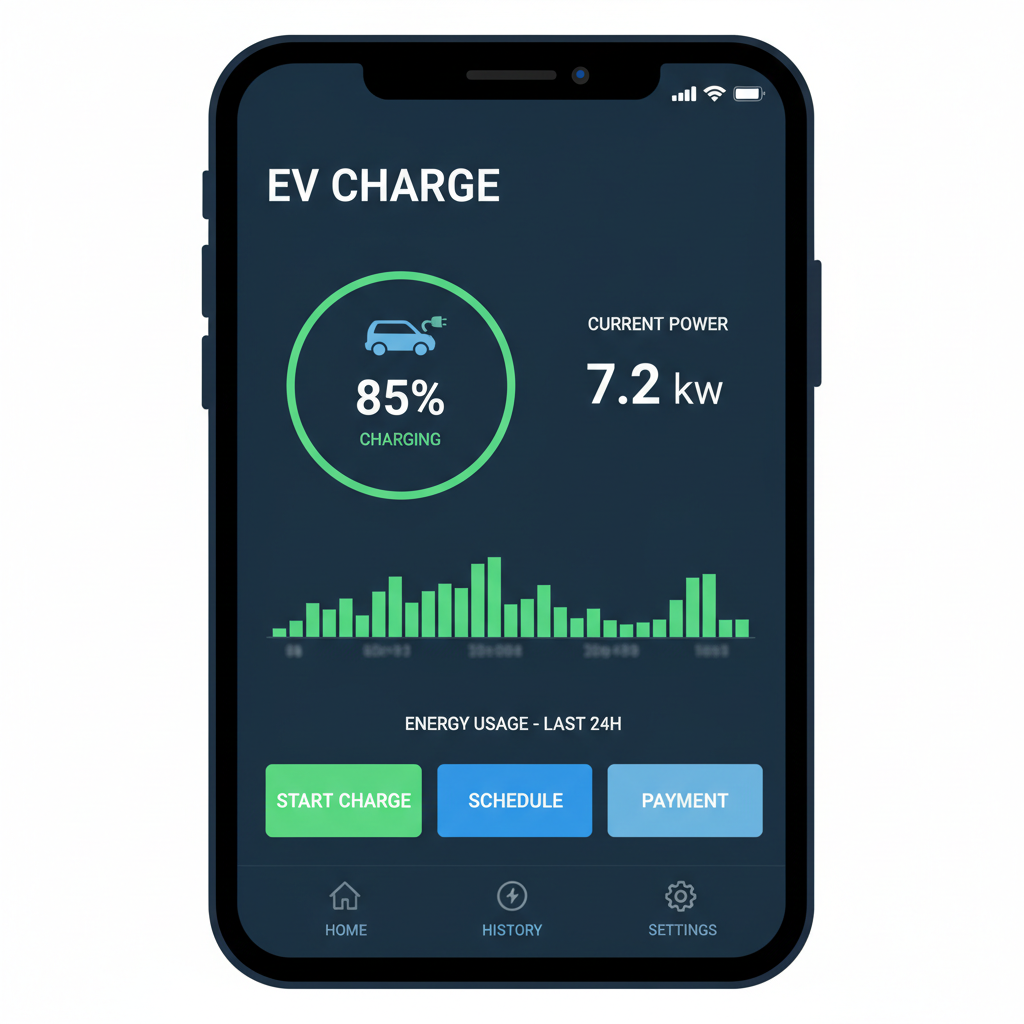
Beyond software flexibility, smart charging is the engine that drives operational efficiency. By utilizing Workplace EV charging solutions that support intelligent scheduling, businesses can automate charging to occur when electricity is cheapest or when on-site solar generation is at its peak. This is particularly vital in the Australian market, where daytime solar exports can often make charging virtually free.
Feature | Benefit to Business |
|---|---|
OCPP 1.6 / 2.0.1 | Prevents hardware lock-in and ensures long-term software choice. |
Off-Peak Scheduling | Shifts demand to late-night or midday periods to lower utility costs. |
Solar Integration | Directs excess renewable energy into vehicle batteries instead of the grid. |
Remote Diagnostics | Reduces maintenance costs by allowing technicians to fix software bugs off-site. |
Intelligent systems prevent electricity bills from skyrocketing by flattening the demand curve. Instead of every vehicle drawing maximum power the moment staff arrive at 9:00 AM, the system staggers the load. This ensures the building stays within its allocated power threshold and avoids expensive peak demand penalties that can arise when high-draw appliances operate simultaneously.
Protecting Your Property with Dynamic Load Balancing
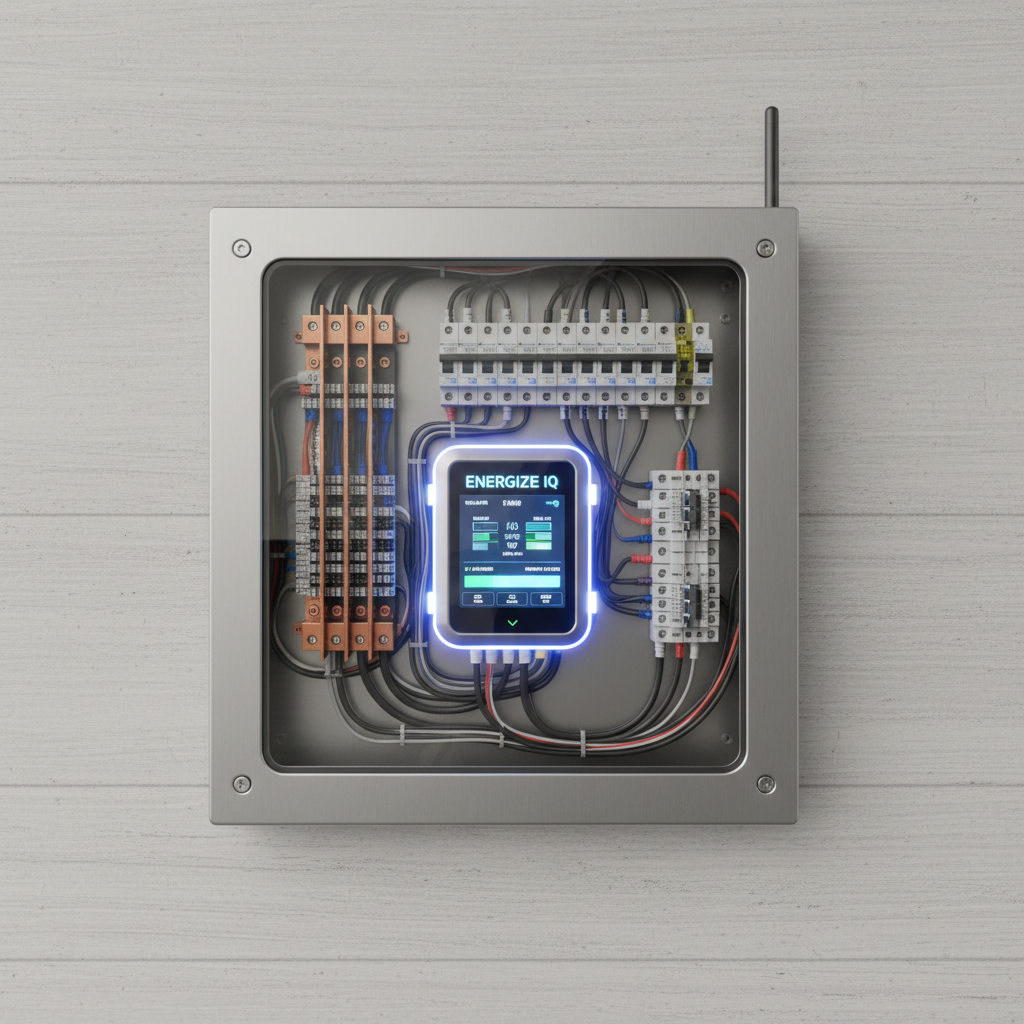
While smart scheduling flattens the demand curve, protecting your physical infrastructure requires active power management. Most Australian commercial buildings operate with a fixed electrical capacity. When elevators, industrial air conditioning, and office lighting are all running simultaneously, adding multiple electric vehicles to the mix can easily exceed the main switchboard’s rating. This leads to tripped breakers or, in worse cases, localized blackouts.
Dynamic load balancing is the essential solution to this technical bottleneck. Unlike static load balancing, which assigns a fixed, permanent limit to each charger regardless of other building activity, dynamic systems communicate with the main distribution board in real-time. Buddy Charge systems utilize sensors to monitor the total building draw. If the HVAC system kicks in on a hot Melbourne afternoon, the chargers automatically throttle their output to compensate. Once the building's internal demand drops, the power redirected to the vehicles increases.
Load Management | Functional Difference | Primary Advantage |
|---|---|---|
Static | Fixed maximum current per charger. | Low complexity for single units. |
Dynamic | Fluctuating current based on building load. | Prevents outages and infrastructure upgrades. |
This technology is a critical differentiator for workplace EV charging Australia because it often eliminates the need for expensive, five-figure upgrades to the local transformer or main switchboard. By maximizing the utility of your existing electrical footprint, you ensure property safety while maintaining a seamless charging experience. Proper implementation requires a professional EV charger installation to ensure that the monitoring hardware is correctly integrated with your site's specific electrical layout.
Choosing Between Single Phase and Three Phase Chargers
Once you have accounted for load management, the next decision involves selecting the appropriate power output. Single phase units, which deliver 7.4kW, are the practical choice for employees who park for the full workday. A standard eight hour shift provides ample time to replenish most vehicle batteries using a single phase feed.
For businesses requiring faster turnover, 22kW three phase chargers are the superior option. These chargers are ideal for 'opportunity charging' where visitors or clients might only be on site for an hour or two. A three phase system can add significant range in a fraction of the time, making it essential for high turnover fleet vehicles or premium visitor bays.
Power Type | Max Output | Recovery Rate (Approx.) | Best For |
|---|---|---|---|
Single Phase | 7.4kW | 40 to 50km per hour | Staff parking and long stay vehicles. |
Three Phase | 22kW | 120 to 140km per hour | Visitors, couriers, and fleet rotations. |
Assessing your capacity begins at the main switchboard. Most commercial properties in Australia possess three phase power, but the available amperage varies. We recommend a professional EV charger installation audit to confirm if your existing infrastructure can support multiple 22kW units without a major grid upgrade. Buddy Charge designs Workplace EV charging solutions that scale based on these specific site constraints.
Cost Recovery Models: How to Manage and Bill for Electricity Use
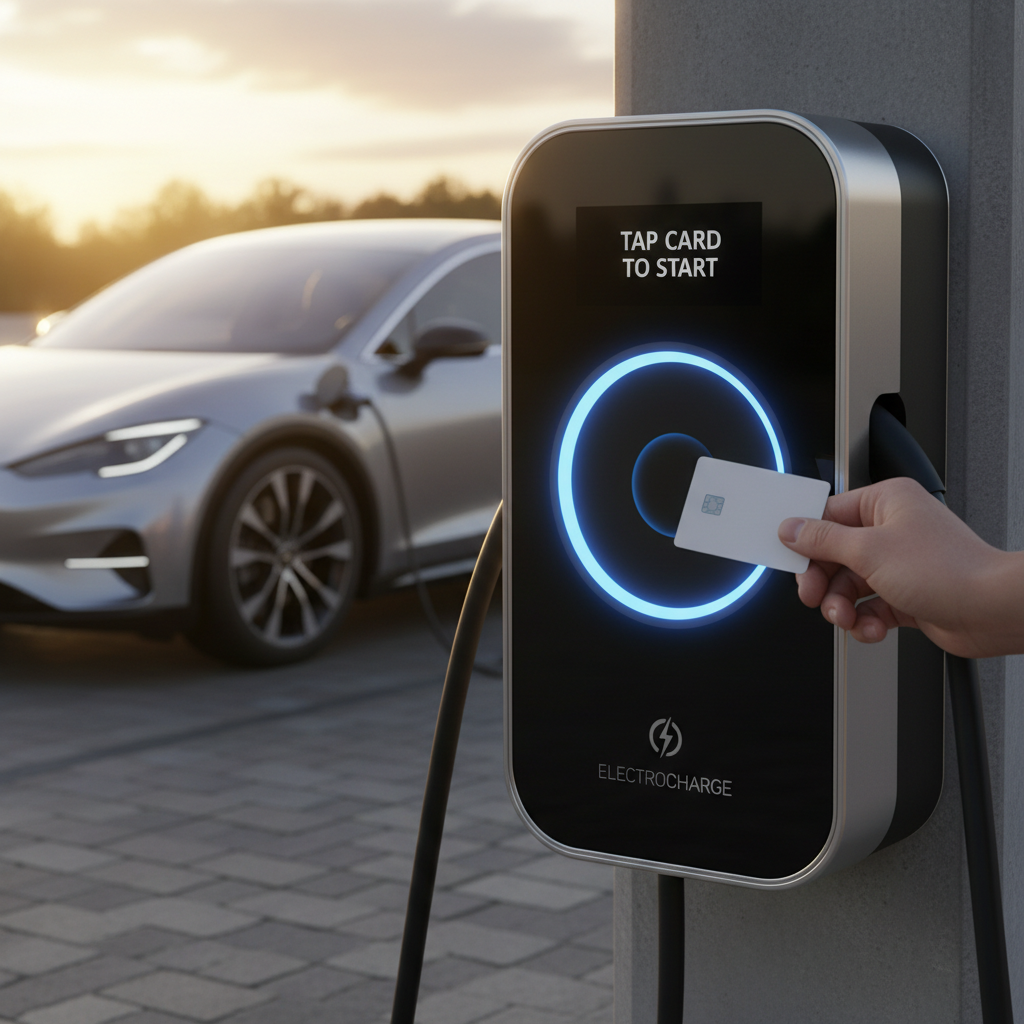
Once the physical infrastructure is in place, determining who pays for electricity is the next fundamental operational decision. In the 2026 landscape, Workplace EV charging solutions offer three distinct pathways for managing these costs while maintaining administrative simplicity.
Employee Benefit (FBT and Salary Packaging): Providing free charging is a powerful retention tool. Many Australian businesses leverage this alongside salary packaging for electric vehicles. Because the cost of daytime solar energy is often negligible, this model provides high perceived value to staff at a minimal operational expense. Under current Fringe Benefits Tax (FBT) guidelines, providing electricity for employer-provided vehicles can often be integrated into corporate fleet policies with significant tax advantages.
User-Pays Recovery: This model ensures the business remains cost neutral. Employees authenticate via an RFID card or a smart app to start a session. The system tracks kilowatt-hours consumed and bills the driver directly or generates an automated report for payroll deductions. This transparency prevents disputes and ensures that only authorized users access the power.
Public and Visitor Monetization: For properties with high visitor turnover, such as hotels or retail precincts, charging stations can generate active revenue. You can set specific tariffs for non-staff members, helping to pay down the initial hardware investment more quickly.
Model | Primary Objective | Payment Method |
|---|---|---|
Benefit | Staff Retention | No charge (Integrated with FBT) |
Recovery | Cost Neutrality | RFID or App (Cost per kWh) |
Revenue | Profit Generation | Public App Access (Premium rates) |
Buddy Charge systems include cloud management as standard, allowing office managers to toggle between these models via a central dashboard. This makes workplace EV charging Australia more manageable, as you can restrict access during business hours to staff only and open the chargers to the public after 6:00 PM, providing total control over your energy assets.
Installation and Maintenance: Designing a Weatherproof Australian System
The final step in establishing workplace EV charging Australia is the physical deployment of hardware. In Melbourne, where a single day can transition from scorching sun to heavy rain, equipment must meet high durability standards. Buddy Charge systems carry an IP65 rating, providing complete protection against dust and high pressure water jets. This level of ingress protection ensures that external wall mounted units remain operational and safe despite Victoria's unpredictable weather cycles.
Successful installation begins with a detailed site assessment. Technicians evaluate existing switchboards to minimize the length of cable runs, as longer distances increase both material costs and voltage drop. Safety is further reinforced through integrated emergency stop functionality, allowing for immediate power isolation in the event of an accident or equipment malfunction. Our systems also feature over-temperature monitoring and surge protection as standard features.
Installation Component | Requirement | Purpose |
|---|---|---|
Weather Protection | IP65 Ingress Rating | Shields electronics from moisture and dust. |
Safety Switch | Emergency Stop Button | Immediate manual power isolation. |
Regulatory Compliance | AS/NZS 3000 Standards | Ensures insurance and safety validity. |
Surge Protection | Integrated SPD | Protects vehicle and charger from grid spikes. |
Buddy Charge provides an end to end service, managing everything from the initial supply to the final professional EV charger installation. Our team ensures every unit complies with strict Australian electrical standards, providing peace of mind for property managers and business owners alike. By combining rugged hardware with expert technical oversight, your Workplace EV charging solutions remain a reliable asset for the long term.
Preparing your business for the 2026 electric vehicle landscape ensures you remain competitive while meeting the needs of your employees. Providing reliable infrastructure is a key step toward sustainable growth; however, the technical details can be complex to manage. If you want expert help designing a system that works for your specific location, Buddy Charge can simplify the process. We invite you to learn more about our solutions for Workplace Charging to help get your facility ready for the future.