Implementing apartment EV charging Australia strata 2026 involves using dynamic load management to prevent electrical overloads while facilitating fair cost distribution among residents. Successful installations rely on choosing between shared or individual charging models and securing committee approvals that comply with evolving state regulations and safety standards.
By 2026, the demand for EV charging in Australian apartments will no longer be a luxury; it will be a standard expectation that most strata committees are currently unprepared to meet. Many owners corporations feel trapped between mounting resident pressure and the technical nightmare of limited grid capacity. Ignoring this shift risks devaluing property and creating administrative chaos as unmanaged trickle charging compromises building safety. Understanding the intersection of infrastructure, legislation, and scalability is the only way to navigate this transition without making costly, permanent mistakes. This guide provides a clear roadmap for owners corporations. We explore how dynamic load balancing solves capacity issues, navigate the specifics of Victorian approval processes, and explain why OCPP is non-negotiable for avoiding vendor lock-in. You will learn how to implement a fair, scalable system that ensures every resident can power up without blowing the fuse or the budget.
The EV Landscape for Australian Apartments in 2026
By 2026, the shift toward electric mobility in Australia has reached a definitive tipping point. In Melbourne and across major urban hubs, electric vehicles are no longer a niche choice; they are the primary consideration for new car buyers. For residents, apartment EV charging Australia strata 2026 is no longer viewed as a premium luxury. It has become a fundamental property requirement, directly influencing resale values and rental yields.
The regulatory environment reflects this shift. The National Construction Code (NCC) 2022 mandates that all new Class 2 buildings provide 100% "EV readiness" from the outset. This ensures that the base electrical infrastructure, such as cable trays and switchboard capacity, is pre-installed to support future demand. However, there is a critical distinction between being "EV ready" and "EV active." A building is EV ready when the skeleton is in place. It becomes EV active only when smart 3-phase charging systems are installed and operational for residents to use.
Older buildings are now prioritizing professional strata EV installation to avoid becoming obsolete in a competitive market. These retrofits focus on bridging the gap between existing capacity and modern demand. As second-hand EV inventory grows and charging becomes a standard expectation, Owners Corporations that invest in Melbourne EV charger installation services are successfully future-proofing their assets against a rapidly changing automotive landscape.
Why Strata Charging is Different: Capacity and Common Property
Charging an electric vehicle at a detached home is a linear process where the homeowner controls the entire electrical circuit and the utility bill. In contrast, multi-residential infrastructure functions as a shared bucket of electricity. Most existing buildings in Melbourne were designed with a finite electrical capacity tailored for essential services like lifts, ventilation, and common area lighting. As the transition toward apartment EV charging Australia strata 2026 accelerates, the demand on this shared supply increases significantly, requiring a shift from individual thinking to collective management.
A recurring challenge for committees involves residents attempting to use standard 10A power points in the basement for trickle charging. While seemingly convenient, this practice is dangerous. Domestic sockets are not rated for the continuous, high-current draw required by an EV for eight to twelve hours at a time. This leads to heat build-up and substantial fire risks. Additionally, these sockets are usually tied to the common property meter. Using them for private vehicle charging constitutes unmetered electricity theft, as the energy costs are borne by all owners through their strata levies rather than the individual driver.
Because the car park and electrical risers are common property, the Owners Corporation must act as the central authority for any professional strata EV installation. Individual residents cannot simply modify shared infrastructure or run cables through common walls without oversight. By taking a proactive management role, the committee ensures that all installations meet safety standards and that the building’s total electrical load is never compromised. This structured approach prevents a first-come, first-served scenario where the first few residents to install chargers exhaust the building's remaining capacity, leaving others with no options.
The Engine of Scalability: Dynamic Load Balancing Explained
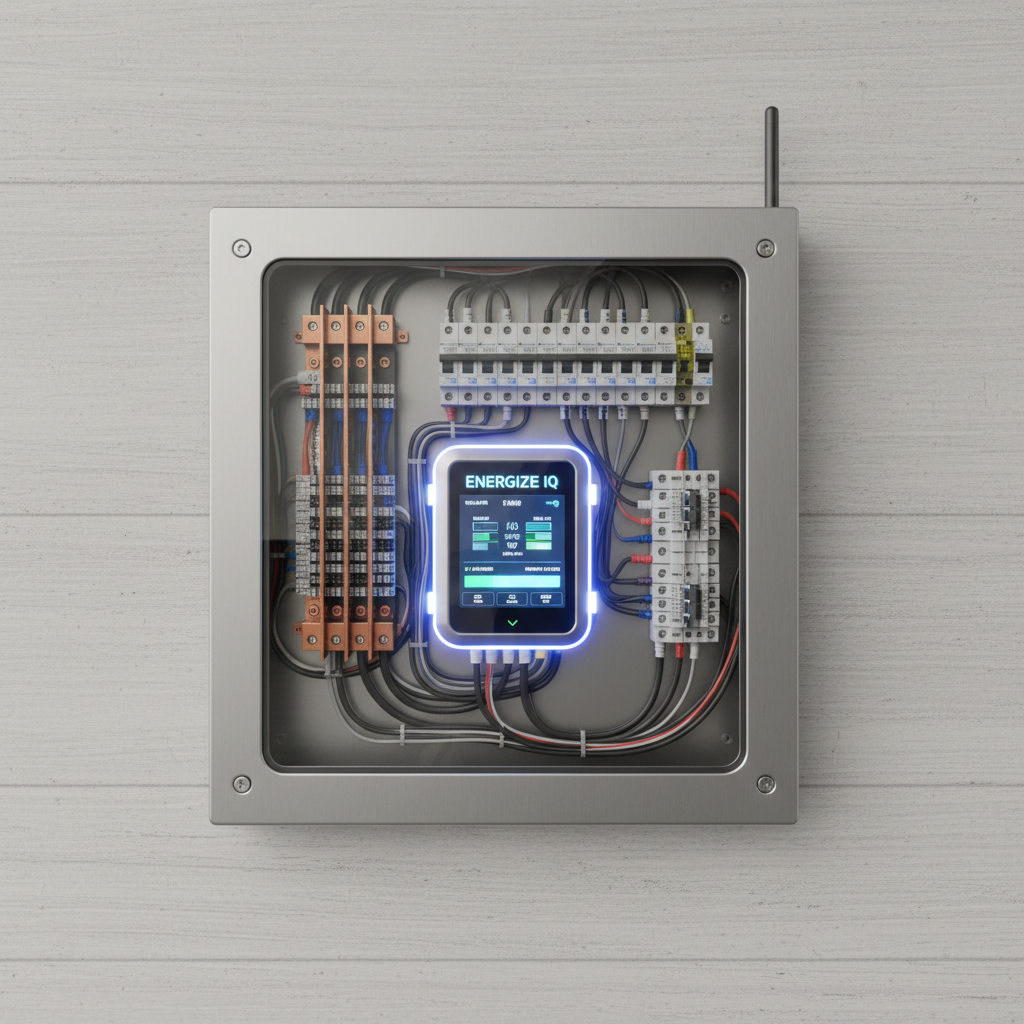
Managing the common property's electrical load is the most significant hurdle in scaling apartment EV charging Australia strata 2026. Without a management system, a building’s main switchboard risks tripping as soon as multiple vehicles draw power simultaneously; this is especially true during peak periods when lifts, air conditioning, and lighting are in heavy use. Dynamic load balancing (DLB) serves as the essential engine for a functional strata installation, ensuring the building’s electrical heart remains protected.
Dynamic load balancing is fundamentally different from basic static load management. In a static setup, each charger is assigned a fixed, low amperage to ensure the total capacity is never exceeded. This often results in frustratingly slow charge times, even when the rest of the building is using very little power at 2:00 AM. Buddy Charge utilizes advanced dynamic systems that monitor the building’s total electricity demand in real-time. When the building’s overall usage drops, the system automatically redirects that available capacity to the EV chargers, allowing for significantly higher speeds. Conversely, if the building’s demand spikes, the system throttles the chargers down instantly to protect the main fuse.
The impact on scalability is profound. In a typical Melbourne apartment block, the remaining unallocated capacity might only support three or four vehicles charging at full tilt on a standard circuit. By implementing smart 3-phase charging systems with dynamic management, the same electrical footprint can safely support 20 or more vehicles. This intelligent oversight eliminates the immediate need for expensive headworks upgrades from the grid provider, which can often cost hundreds of thousands of dollars.
Feature | Static Load Management | Dynamic Load Balancing (Buddy Charge) |
|---|---|---|
Power Allocation | Fixed, predetermined limit | Real-time, based on total building demand |
Charging Speed | Consistently capped | Maximum available speed at any moment |
Capacity Efficiency | Low; unused power goes to waste | High; utilizes every available amp |
Infrastructure Scalability | Very limited; requires early upgrades | High; supports more cars on existing wires |
This distribution ensures that professional strata EV installation remains equitable. No single resident can monopolize the building's power, and the system ensures the lights stay on for everyone while vehicles are topped up as efficiently as the building's current capacity allows.
Approval Processes for Owners Corporations in Victoria
Navigating the legal and administrative requirements for apartment EV charging Australia strata 2026 in Victoria has become significantly more streamlined due to recent legislative updates. Under the Owners Corporations Act 2006, specifically the amendments regarding sustainability infrastructure, committees no longer face the daunting hurdle of a 75 percent special resolution for many EV-related projects. Instead, these upgrades are often categorized as sustainability initiatives, which can be approved via a simple majority vote of over 50 percent. This shift recognizes that EV charging is a critical utility rather than a discretionary luxury.
To move from a resident proposal to a commissioned system, Victorian committees should follow a structured four-step pathway:
Feasibility Study and Capacity Assessment: Before any hardware is selected, an audit of the building’s current electrical supply is essential. This determines how many smart 3-phase charging systems the existing switchboard can support.
By-law Drafting: A specific EV charging by-law must be established to govern usage, maintenance responsibilities, and cost recovery. This ensures the Owners Corporation (OC) is protected legally and that common property modifications are recorded.
Technical Design and Quote: A detailed design for professional strata EV installation is prepared, factoring in the dynamic load balancing infrastructure required for scalability.
Voting and Implementation: The final proposal is presented at an Annual General Meeting (AGM) or Special General Meeting (SGM) for official approval.
Buddy Charge specializes in facilitating these technical assessments for committees across Victoria. By providing clear, data-backed reports on electrical capacity and infrastructure design, our Melbourne EV charger installation services remove the guesswork from the approval process. This expert oversight helps committees present a robust, low-risk case to owners, ensuring the project gains the necessary traction without administrative delays.
Billing and Fairness: Who Pays for the Power:
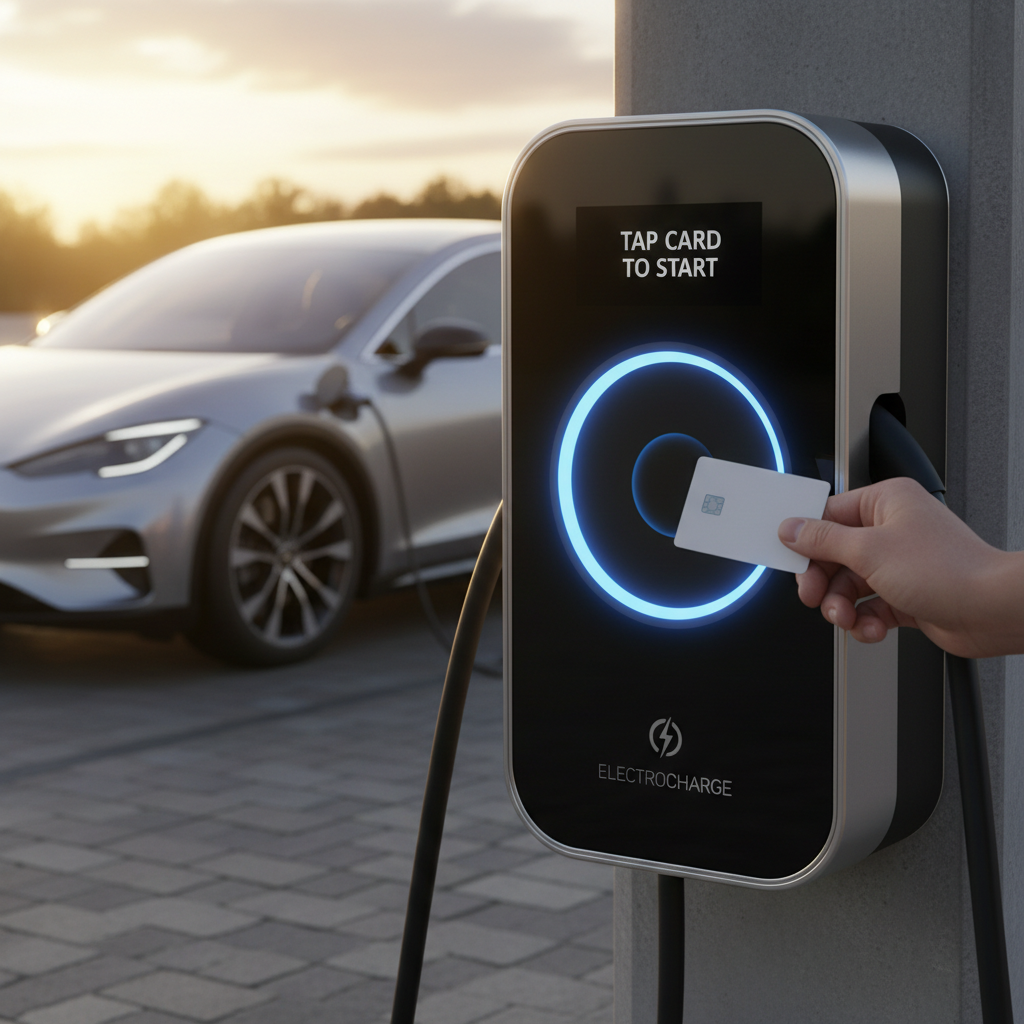
The most frequent concern raised by strata committees involves cost allocation. For apartment EV charging Australia strata 2026, the standard for financial equity is a strict "User Pays" model. This framework ensures that the electricity used to power private vehicles is never drawn from the general pool of strata levies, preventing residents who do not own an electric vehicle from subsidizing the fuel costs of those who do.
Buddy Charge implements this transparency through smart 3-phase charging systems that utilize Wi-Fi connectivity and RFID access control. To initiate a charging session, a resident must authenticate their identity using an RFID key fob or a dedicated smartphone app. This action links every kilowatt-hour consumed directly to a specific user account. When committees engage Melbourne EV charger installation services, they gain access to cloud management platforms that monitor these transactions in real time with utility grade accuracy.
This cloud based oversight automates the administrative side of cost recovery. The software generates detailed consumption reports that can be integrated with strata management software or used to bill residents directly. By opting for a professional strata EV installation, committees remove the manual burden of reading individual meters in the basement. This digital audit trail provides absolute transparency, ensuring that the Owners Corporation can account for every cent of energy used while maintaining harmony among all lot owners.
Debunking the EV Fire Safety Myth in Strata Buildings
Safety remains a frequent point of contention for Victorian committees considering apartment EV charging Australia strata 2026, especially in enclosed underground car parks. Much of this anxiety is based on anecdotal evidence rather than empirical data. Statistics from EV FireSafe, the Australian research organization, confirm that electric vehicles are significantly less likely to experience a fire event than internal combustion engine vehicles. The primary risk in strata environments is not the vehicle itself, but the use of substandard, unmanaged charging methods like domestic extension cords and standard 10A power points.
A professional strata EV installation addresses these concerns through industrial-grade hardware and rigorous electrical standards. When Buddy Charge deploys smart 3-phase charging systems, we integrate critical safety features including surge protection, real-time over-temperature monitoring, and accessible emergency stop functionality. These systems are installed by A-Grade electricians to ensure compliance with AS/NZS 3000 standards. Unlike DIY solutions, managed infrastructure communicates directly with the vehicle to stop the flow of electricity if any irregularity is detected.
Safety Feature | DIY / Standard 10A Socket | Buddy Charge Managed System |
|---|---|---|
Over-Temperature Monitoring | None; risk of socket melting | Built-in sensors with auto-shutdown |
Surge Protection | Dependent on building circuit | Dedicated internal surge protection |
Emergency Stop | Must pull plug (arc risk) | Dedicated physical stop button |
Load Management | None; risks tripping main fuse | Dynamic balancing prevents overloads |
By engaging Melbourne EV charger installation services, Owners Corporations ensure that the transition to electric mobility enhances building safety rather than compromising it. This professional approach provides a level of oversight and hardware protection that is simply impossible to achieve with unmanaged, individual charging attempts.
Future Proofing and Avoiding Vendor Lock-in with OCPP
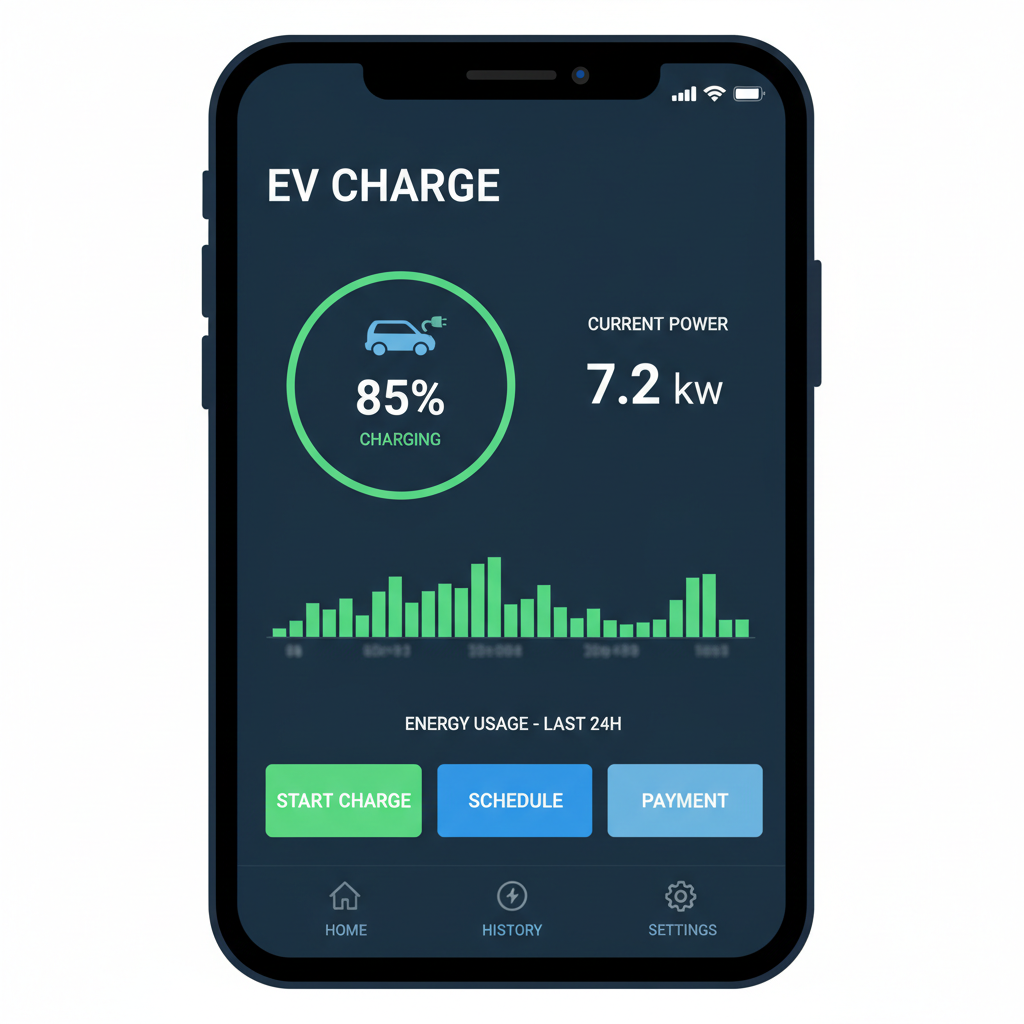
Owners Corporations often overlook the long-term software implications when selecting hardware. In the context of apartment EV charging Australia strata 2026, the technical standard to look for is OCPP (Open Charge Point Protocol). This protocol acts as a universal language, allowing hardware from one manufacturer to communicate with the management software of another. It is the single most important factor in protecting a building against vendor lock-in.
Many providers in Melbourne offer closed systems where the hardware and software are inseparable. This creates a high-risk dependency. If the software provider increases their monthly fees or their service quality declines, the building is trapped. To switch management platforms, the committee would be forced to rip out and replace every physical charger, a process that is both wasteful and expensive. By insisting on OCPP-compliant smart 3-phase charging systems, committees retain the power to switch software providers at any time.
System Type | Hardware Flexibility | Software Options | Long-term Risk |
|---|---|---|---|
Closed/Proprietary | Tied to one brand | Single provider only | High (requires full replacement to switch) |
OCPP (Open Standard) | Compatible with many | Multiple provider choices | Low (software can be swapped remotely) |
Buddy Charge prioritizes professional strata EV installation using open-standard hardware. This ensures that the physical assets installed today remain viable for decades. If building requirements change in five years, the committee can simply point the existing chargers to a new management backend without touching a single wire. This approach provides true future-proofing for any Melbourne property.
Navigating the evolving landscape of strata EV charging requires careful planning to meet upcoming 2026 standards. Ensuring your building is ready for the future involves balancing technical requirements with resident needs. If you want expert help managing this transition, Buddy Charge is here to simplify the process for you. You can find more details regarding our mission and experience on our About page. We are dedicated to helping Owners Corporations implement reliable, future-proof charging solutions without the stress of going it alone.