Optimizing EV battery life smart home charging Australia requires maintaining a 20% to 80% charge range and using gentle Level 2 charging instead of frequent rapid charging. Smart home systems automate these healthy habits by scheduling sessions during off-peak times; this reduces thermal stress and preserves long-term battery health for Australian drivers.
Buying an EV is one of the most significant investments an Australian homeowner will make, yet many drivers unknowingly accelerate battery degradation through poor charging habits. The harsh Australian sun and the daily temptation of rapid public chargers can take a heavy toll on your vehicle's long-term range and eventual resale value. Protecting your battery health is not just about avoiding a flat charge; it is about managing heat and chemistry through precise, intelligent home solutions. In this guide, we explore how smart home charging transforms your garage into a preservation suite. You will learn the mechanics of the 80/20 rule, the critical thermal advantages of slow AC charging over DC alternatives, and how integrating solar power provides the ultimate low and slow approach for longevity. We will also examine how dynamic load balancing protects your property while ensuring your battery stays in peak condition for years.
The Real Cost of EV Battery Degradation in Australia
The battery is the single most expensive component of any electric vehicle, often accounting for $15,000 to $30,000 of the total purchase price. Protecting this asset is paramount for long term vehicle value and performance. Recent research from Geotab suggests an average annual degradation rate of approximately 1.8 percent, but this figure is a global average that does not account for the specific environmental stresses found in Victoria.
In Melbourne, our volatile weather and extreme summer peaks can accelerate chemical breakdown within the cells if charging is not managed correctly. Many new owners bring a 'fill it till it clicks' mentality from years of driving internal combustion vehicles, assuming that a full tank is always better. However, Lithium-ion batteries are chemically sensitive systems. Unlike a petrol tank, which is a passive container, a battery is a living chemical reactor that reacts poorly to heat and high voltage stress.
Optimising EV battery life smart home charging Australia wide requires a shift in perspective. Smart charging is not merely a matter of convenience or app connectivity; it is a critical strategy for asset protection. Utilizing a single-phase smart charger allows for the precise control needed to bypass the hardware-straining habits of basic portable units, ensuring your investment remains healthy and efficient over its decade plus lifespan.
Why the 80 20 Rule is Your Battery's Best Friend
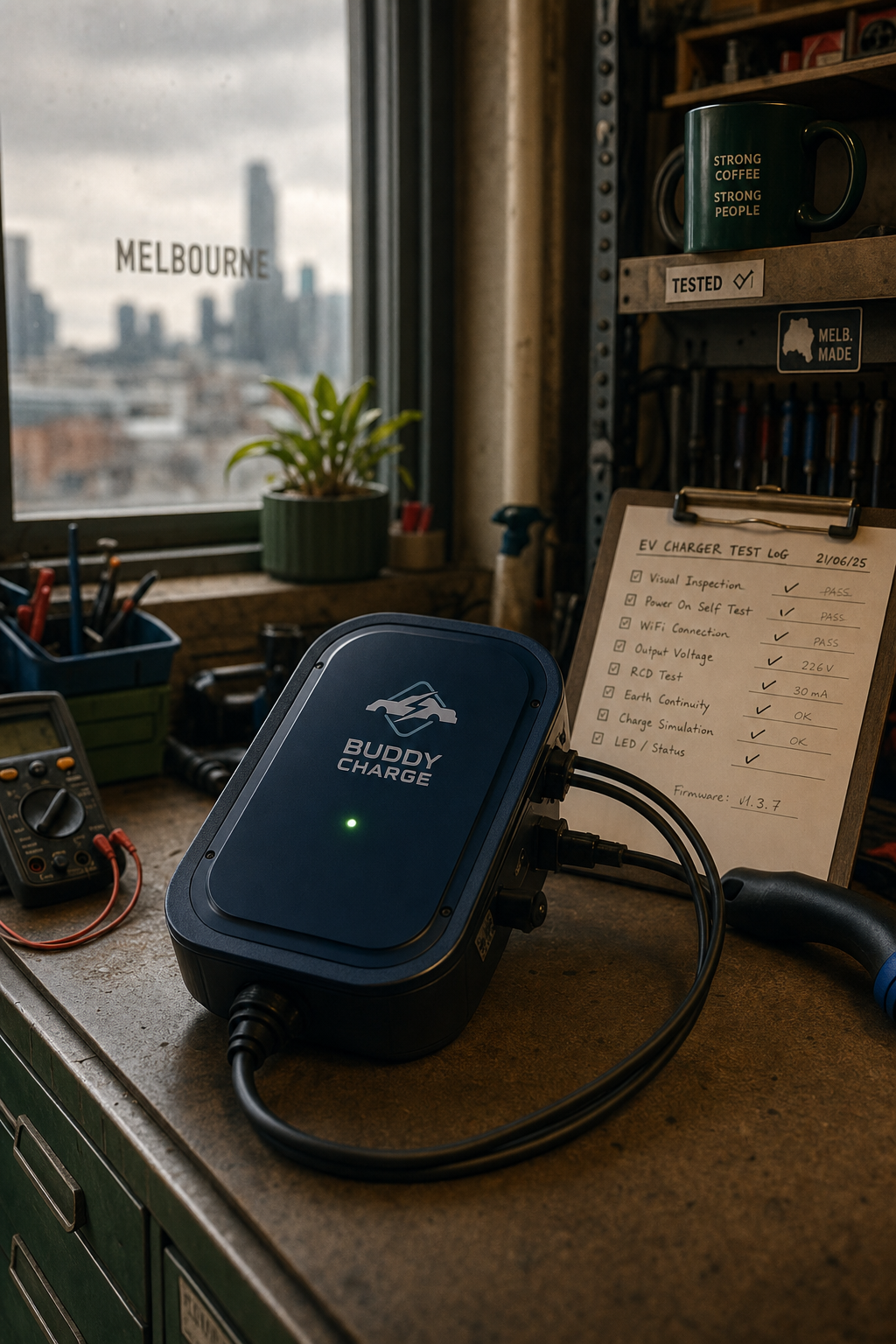
This precise control is best exemplified by the 80/20 rule, a standard practice for anyone serious about lithium-ion health. Most manufacturers and technicians recommend keeping your battery charge between these two percentages for daily use. Operating at the extreme ends of the spectrum, particularly holding a battery at a 100 percent state of charge (SoC) for extended periods, subjects the cells to significant voltage stress. This chemical pressure accelerates the breakdown of internal components, leading to a permanent loss in range over time.
Think of the battery as a mechanical spring. If you keep the spring compressed to its absolute limit every day, it eventually loses its ability to bounce back. While charging to 100 percent is necessary for long road trips beyond the Melbourne suburbs, it is the daily habit of topping off that does the most chemical damage.
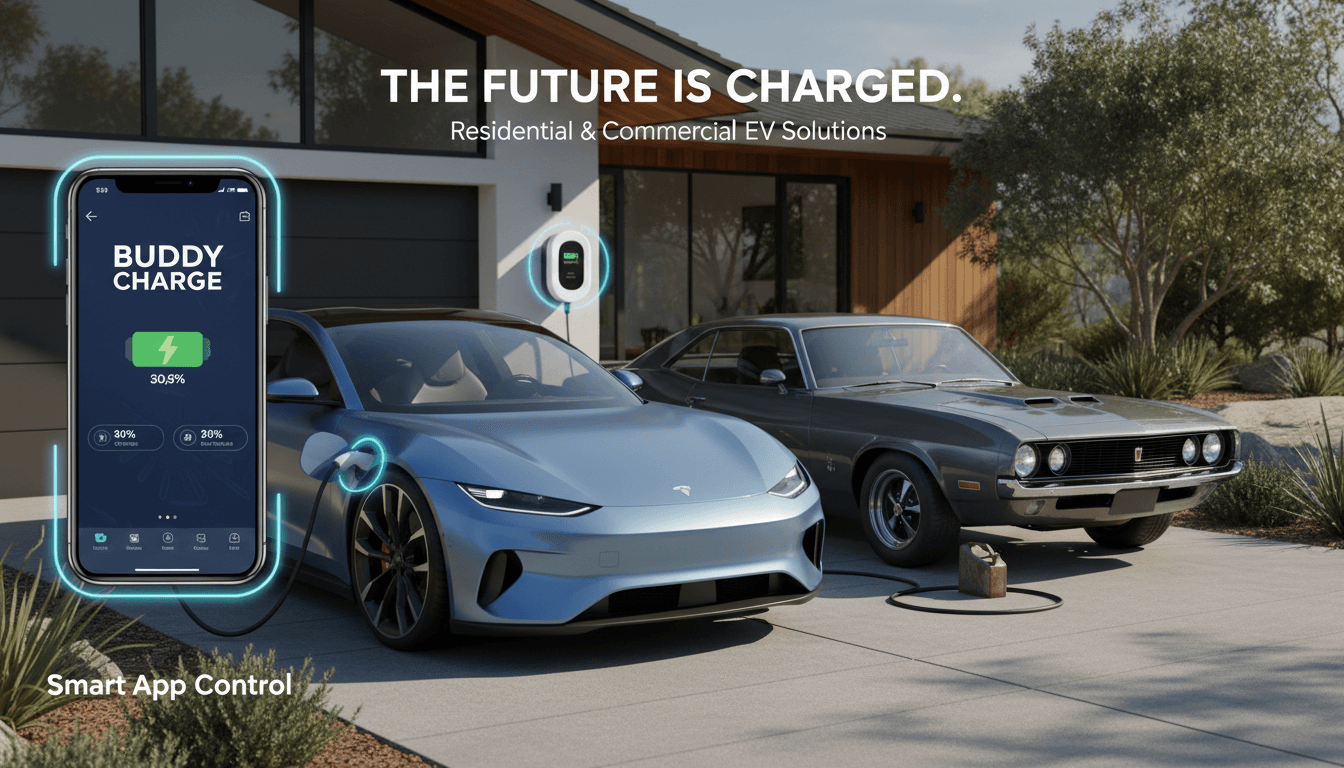
The primary challenge for owners is that basic portable units, often called granny chargers, lack the intelligence to manage this. They simply draw power until the vehicle's onboard management system terminates the flow at 100 percent. In contrast, Buddy Charge smart systems provide the granular control needed to automate battery protection. Using our smart app, you can set a hard limit at 80 percent. The system communicates with your vehicle to stop the current precisely when that threshold is reached. This level of automation is essential for managing EV battery life smart home charging Australia wide, as it removes the risk of human error. Having a professional Melbourne EV charger installation ensures that these smart features are correctly configured to keep your vehicle in its chemical happy zone every single night.
Smart Charging vs DC Fast Charging: The Thermal Factor
This chemical stability is also heavily influenced by the speed at which energy is delivered to the cells. While DC fast charging (Level 3) is a vital tool for long distance travel across Victoria, it is not an ideal solution for daily replenishment. To understand why, consider the sponge analogy. Level 2 home charging, which operates between 7kW and 22kW, is like pouring water slowly over a dry sponge, allowing the material to absorb the liquid naturally and evenly. In contrast, DC fast charging is like hitting that same sponge with a high-pressure fire hose. The sheer volume and velocity of the current create significant internal resistance and heat.
Moving large amounts of energy quickly generates a thermal load that can be difficult for a vehicle's cooling system to manage, especially during an Australian summer. Data from the Electric Vehicle Council suggests that while these high-speed units are necessary for transit, making them a daily habit in 40 degree heat is a recipe for accelerated degradation. When ambient temperatures are already high, the added heat from a DC fast charge pushes the battery cells toward their thermal limits, causing permanent chemical breakdown.
A smart home charger serves as the gentle, sustainable alternative. By using a single-phase smart charger or a three-phase unit at home, you provide a steady, lower-intensity current that keeps the battery within its optimal temperature range. This controlled approach is fundamental to managing EV battery life smart home charging Australia wide. It ensures that the vehicle is ready for the morning without the aggressive thermal stress associated with public rapid chargers, effectively preserving your battery's capacity for the years ahead.
Beating the Australian Heat: Night Charging and Battery Health
Managing ambient temperature is just as critical as managing current flow. In Melbourne, where summer afternoons frequently exceed 40 degrees Celsius, plugging in a vehicle immediately after a commute creates a compounded thermal load. The battery is already warm from operation; adding the heat of a charge cycle while the ambient air is at its peak limits the efficiency of the vehicle's internal cooling system. This dual heat source puts the battery management system under significant strain, accelerating chemical aging.
Smart scheduling solves this by allowing you to automate a delayed start. Instead of beginning the charge at 6 PM when the driveway or garage is still radiating heat, a Buddy Charge system can be programmed to trigger at 2 AM. During these early morning hours, the air temperature is at its lowest, providing a natural thermal buffer that helps keep the battery's internal chemistry stable. This passive cooling approach is one of the most effective ways to preserve EV battery life smart home charging Australia wide, yet it is a feature entirely absent from standard, non-connected portable units.
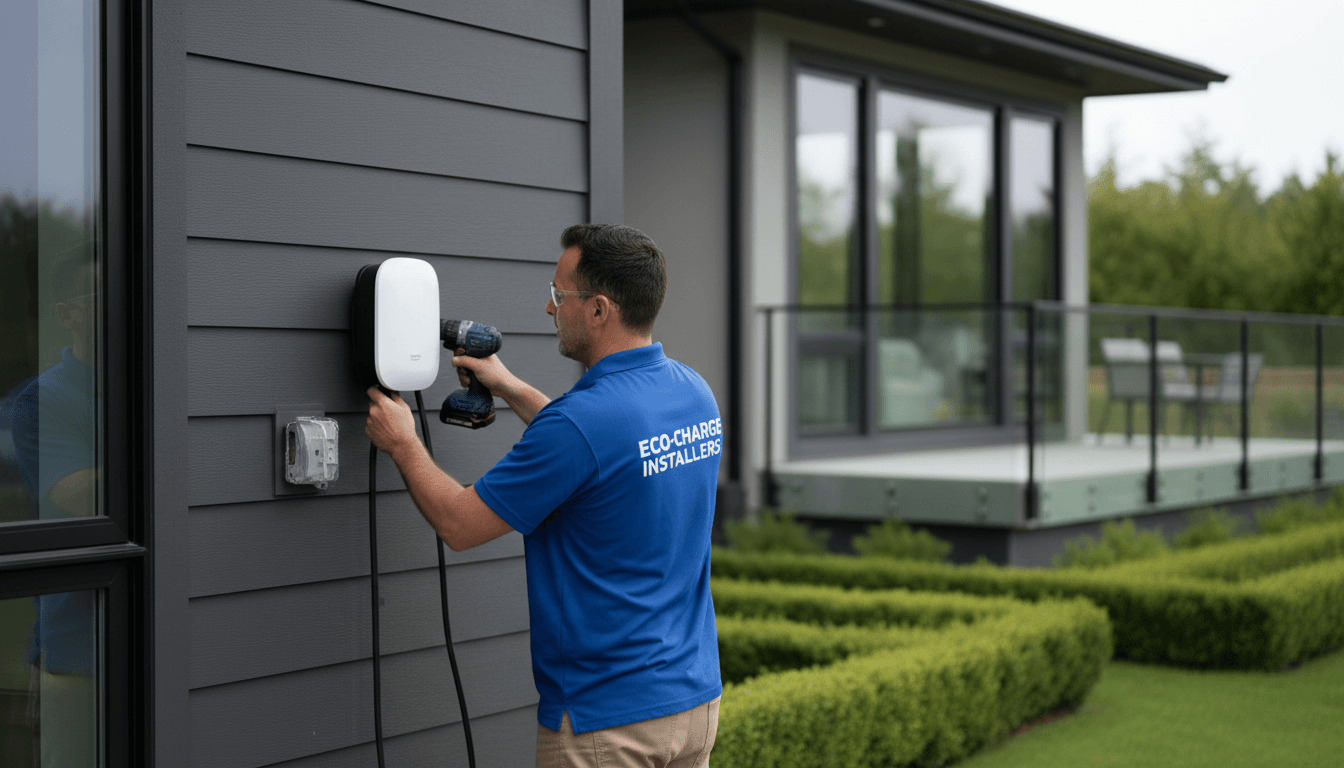
Furthermore, the hardware itself must withstand these harsh environmental shifts. Our units feature IP65 weather protection, ensuring that even if your professional Melbourne EV charger installation is located in an exposed driveway, the electronics remain protected from dust and torrential rain. Pairing this rugged design with intelligent timing ensures your single-phase smart charger remains a reliable tool for long term battery preservation.
The Power of Solar Integration: Low and Slow for Longevity
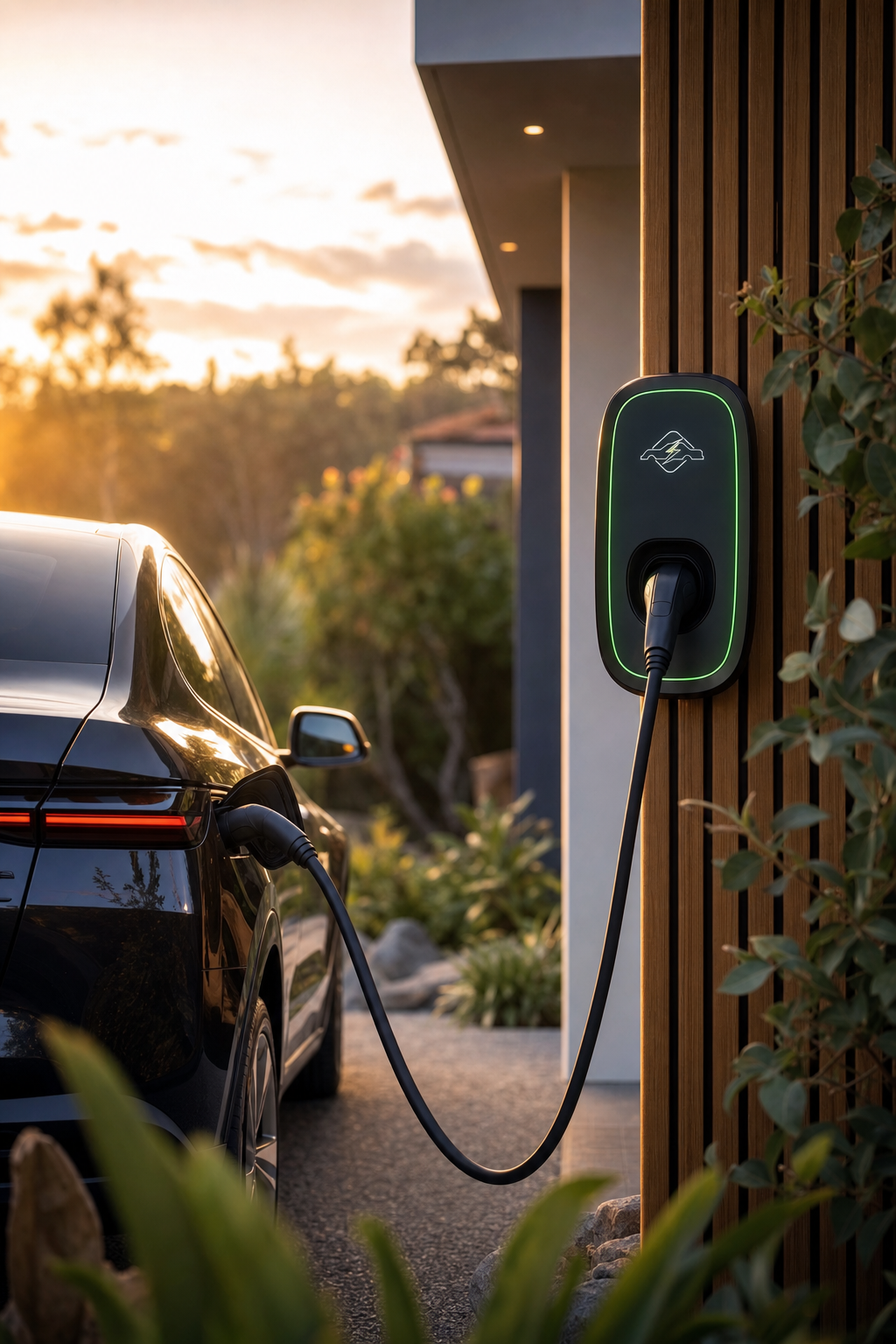
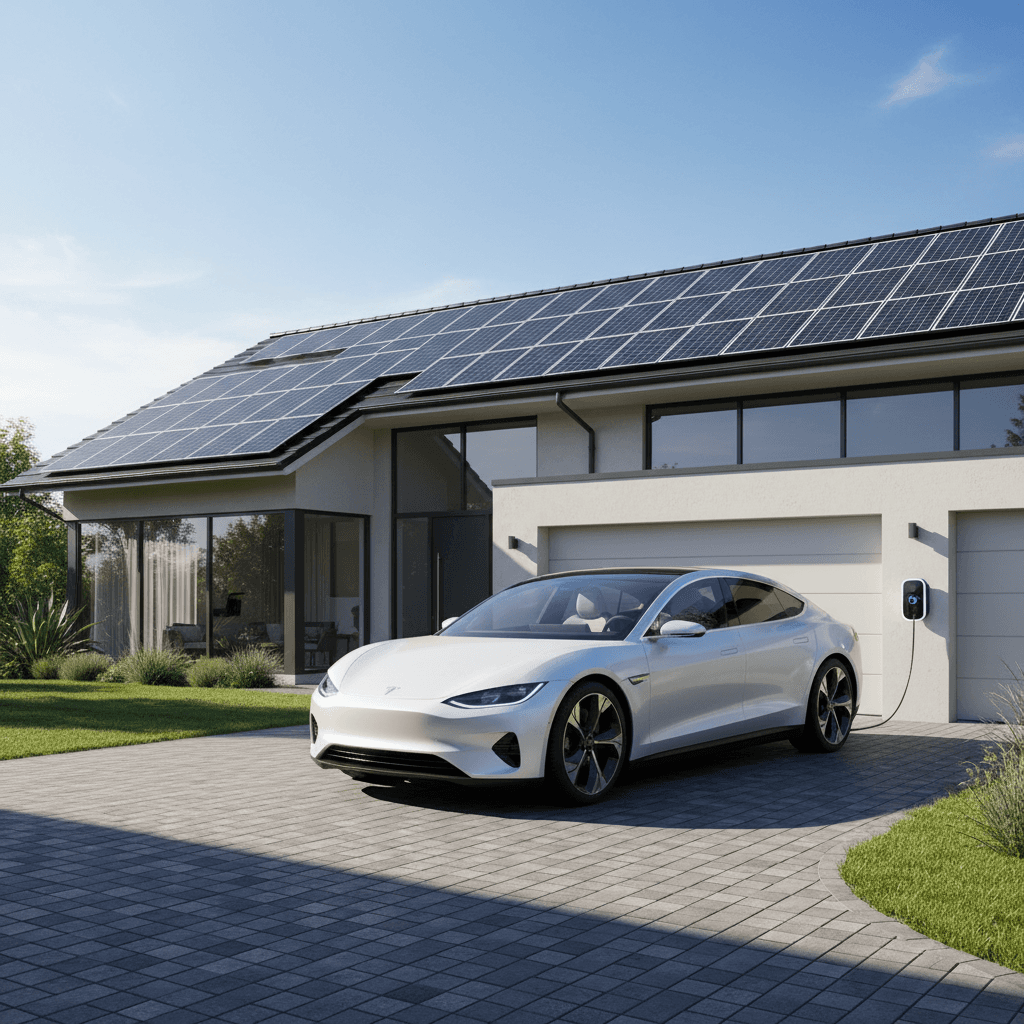
While night charging utilizes cooler air to manage thermal loads, daytime charging powered by the sun offers a distinct advantage for chemical longevity. Matching your vehicle’s intake to the real time output of a residential photovoltaic system creates a "Goldilocks" zone for battery health. Unlike the maximum current draw of a standard grid connection, solar-matched charging is typically lower in intensity and follows the natural curve of the sun.
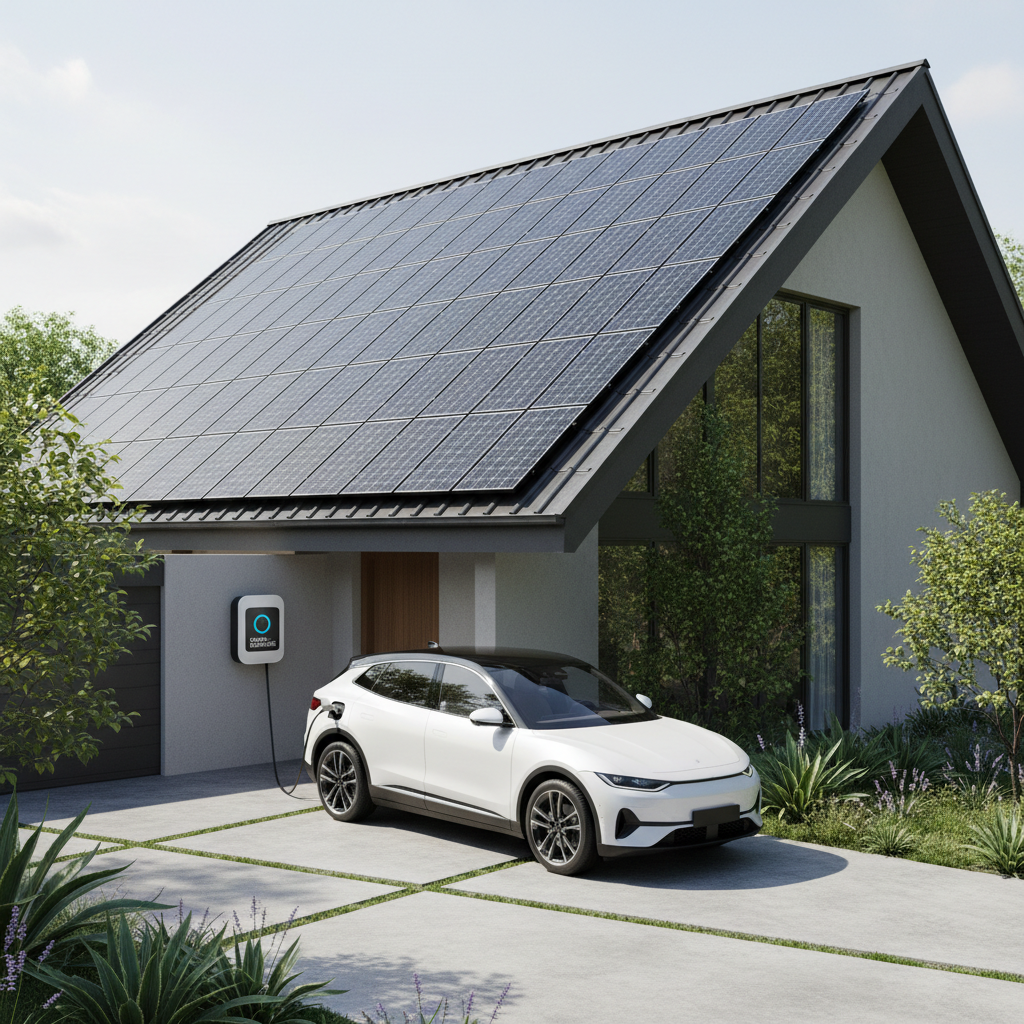
This low and slow approach is ideal for the delicate internal chemistry of an EV battery. By delivering energy at a reduced amperage over several hours, the system minimizes internal resistance and prevents the rapid temperature spikes that lead to cell degradation. Buddy Charge systems feature advanced solar integration that communicates directly with your inverter, automatically modulating the flow of power to match your excess generation. This ensures you are maximizing EV battery life smart home charging Australia wide while utilizing solar EV charging in Melbourne to fuel your commute. This method provides the most stable charging environment possible; it protects the Battery Management System (BMS) from the abrupt fluctuations often associated with high-demand grid charging during peak times. By aligning your charging habits with the sun, you provide a consistent, gentle flow of energy that preserves the integrity of your battery's cells for years to come.
Dynamic Load Balancing: Protecting Your Property and Your Battery
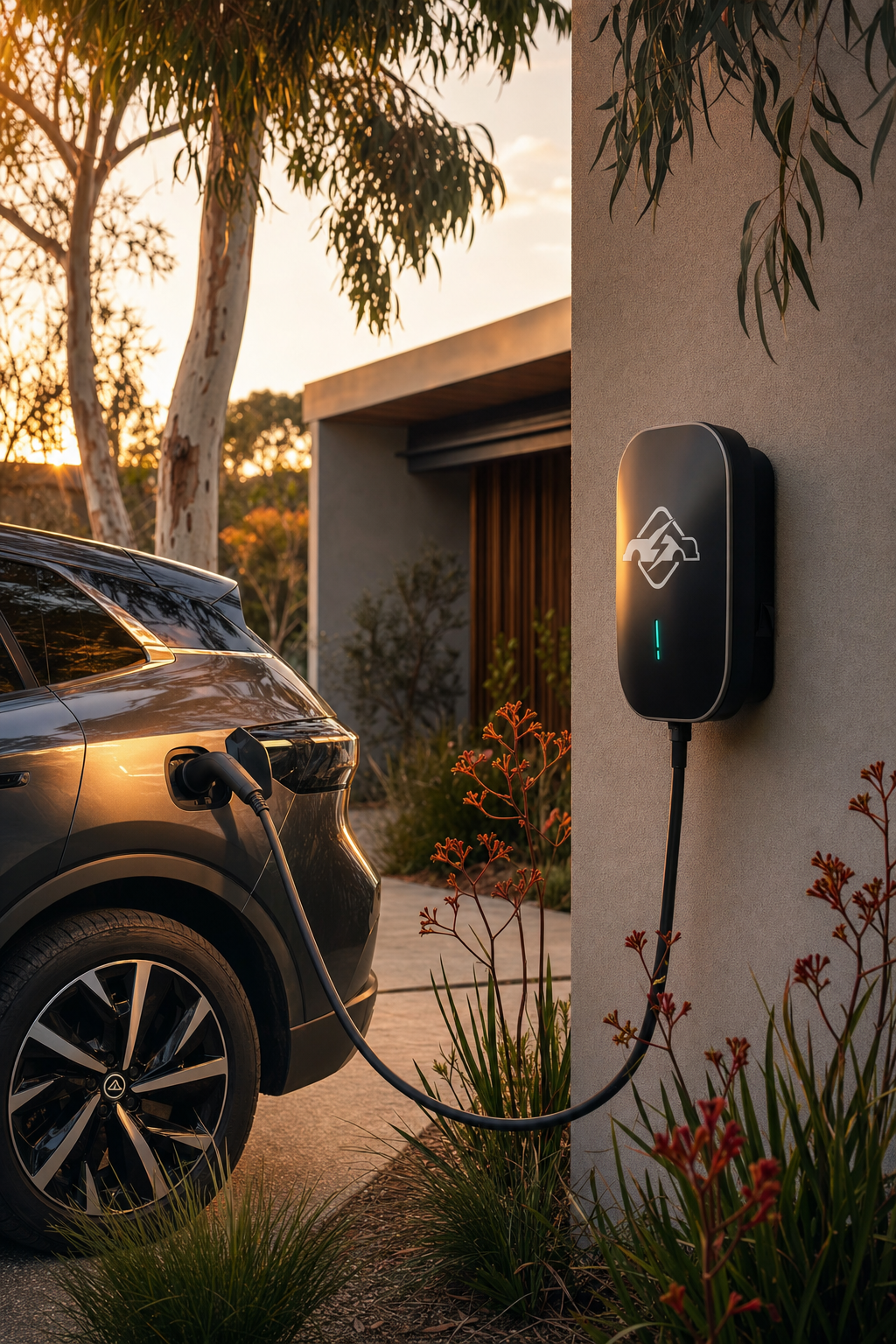
While solar integration offers a gentle charging curve, the stability of that power delivery is equally important for long term health. This is where dynamic load balancing becomes a critical feature of a professional Melbourne EV charger installation. Many owners view load balancing simply as a safety mechanism to prevent tripping the main circuit breaker when high-draw appliances, such as induction cooktops or air conditioning units, are running. While property protection is vital, the benefits extend directly to the vehicle's internal hardware.
The Battery Management System (BMS) in your EV acts as a sophisticated gatekeeper, constantly monitoring incoming current. Sudden fluctuations in power caused by household demand spikes can force the BMS to rapidly adjust its intake, creating unnecessary electronic stress and heat. Buddy Charge systems utilize intelligent sensors to monitor your home's total electrical consumption in real time. Instead of an abrupt shut-off or allowing a voltage sag, our single-phase smart charger communicates with the vehicle to modulate the current, providing a steady, optimized flow that matches available capacity. By maintaining this consistent delivery, you reduce the workload on the BMS and ensure a more stable chemical reaction within the cells. This technical precision is a cornerstone of managing EV battery life smart home charging Australia wide, turning your home's electrical grid into a refined delivery system for your most valuable asset.
Common Questions About Australian EV Charging Habits
Transitioning from technical hardware to daily operation, your personal habits dictate how effectively you manage EV battery life smart home charging Australia wide. Navigating the conflicting advice online can be difficult, so we have distilled the most frequent queries from Melbourne owners into practical, data driven guidance.
### Should I plug in every night? The average Australian daily commute is approximately 40 kilometres, which typically utilizes less than 15 percent of a modern EV battery. You do not strictly need to charge every night if your battery remains in the 40 to 70 percent range. However, if you prefer the convenience of a daily routine, use your smart app to cap the charge at 80 percent. Frequent, shallow discharge cycles are generally less stressful for Lithium-ion cells than waiting for the battery to drop toward zero before a massive recharge.
### Is it safe to leave the car plugged in while away? Leaving your vehicle connected to a single-phase smart charger is actually beneficial during a holiday. EVs experience 'vampire drain' from onboard computers, security systems, and remote connectivity features. A smart charger monitors these minor losses and provides a controlled top-up only when necessary. If you are leaving the car for more than two weeks, experts recommend setting the charge limit to 50 percent. This is the most chemically stable state for long term storage, as it minimizes the internal pressure on the battery cells.
### Can I automate my charging to save money and battery health? Yes. A professional Melbourne EV charger installation allows you to synchronize your charging with off-peak electricity tariffs. This not only lowers your running costs but also aligns with cooler night temperatures, as discussed previously. For those with rooftop panels, solar EV charging in Melbourne provides the ultimate 'low and slow' charge, which is the gold standard for maximizing the lifespan of your vehicle's most valuable asset.
Optimizing your charging habits is the most effective way to protect your battery longevity and maintain your vehicle’s range over many years. While understanding the technology is a great first step, setting up the right infrastructure makes long term maintenance much easier. If you want expert help choosing the best equipment for your home, our team can provide tailored advice. Exploring a Single Phase Charger is often the ideal next step for standard Australian residential setups.